Spiti Valley is hidden in the northern Himalayas. It is a beautiful and peaceful place that draws tourists looking for excitement and peace. There is peace and beauty in this area. But because the weather and surroundings are so different, it can be hard to decide when to go. When it rains in Spiti, it’s not like when it rains in other parts of India. Spiti doesn’t get much rain, so it doesn’t flood as easily, but it is colder and drier. If you want a quiet stay with beautiful surroundings, stays in hygge cottage style accommodations here gives you a cozy base stay to explore the valley.
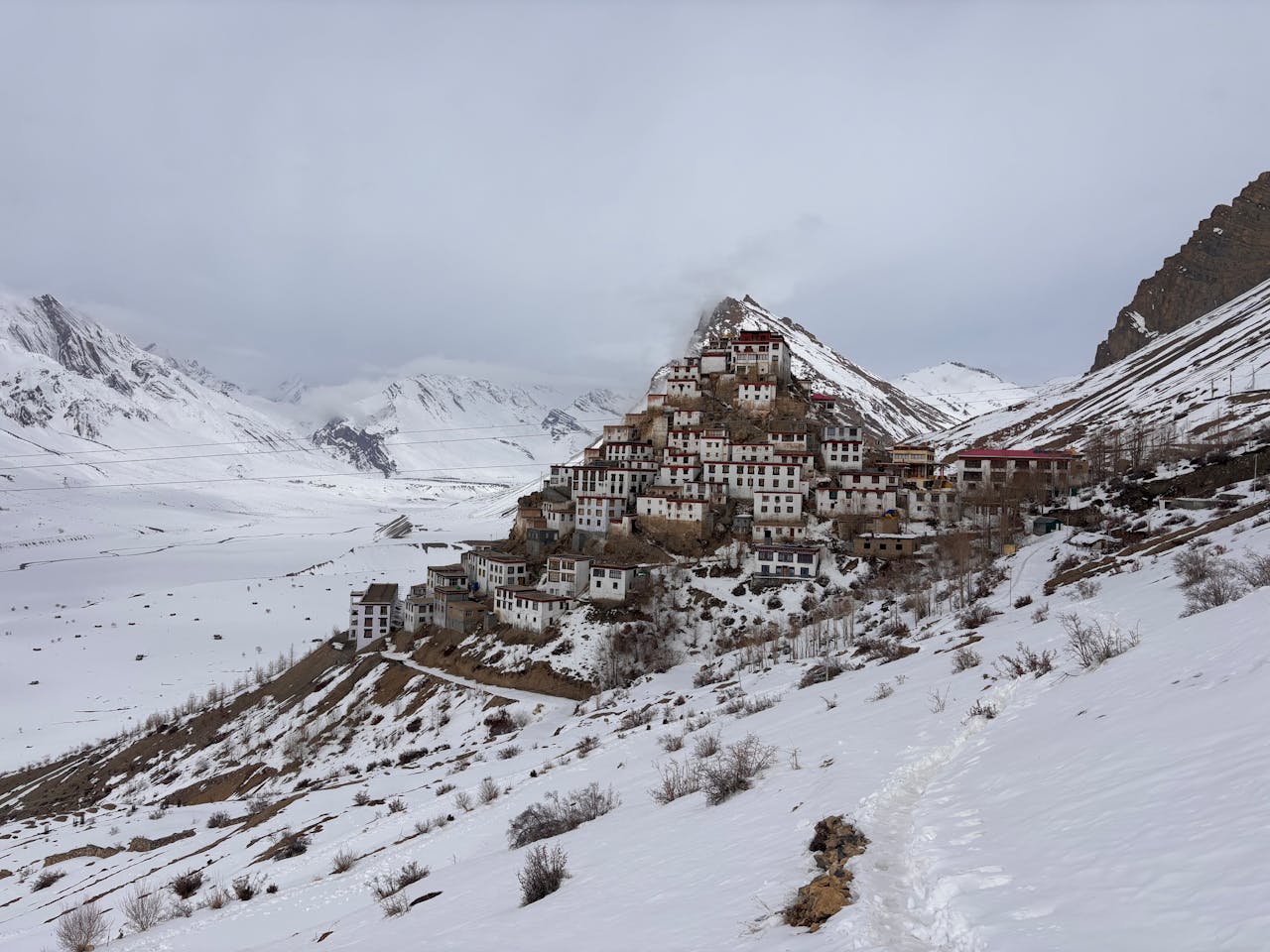
The weather in Spiti changes dramatically with the seasons. Winters are harsh and snowy, making travel difficult and many roads inaccessible. Summers, on the other hand, are short but pleasant. The months from June to September are generally considered the best time to visit because the weather is mild and the landscape blooms with life.
The monsoon season elsewhere in India usually means heavy rains, but in Spiti, it is mild and doesn’t affect travel much. This makes summer the perfect time for trekking, sightseeing, and enjoying local culture while staying comfortably in a hygge cottage.
Weather Through the Year
Spiti experiences extreme weather changes. In winter, temperatures can drop well below freezing, with heavy snowfall cutting off many routes. Most travelers avoid visiting during this time unless they are prepared for serious cold and difficult travel conditions. The roads to Spiti are often closed from November to March.
Spring is short and quiet, with temperatures slowly rising and nature beginning to wake up. Summer brings the most favorable weather. During these months, the days are sunny and warm, although nights can still be chilly. The clear skies make it ideal for photography and exploring the natural beauty. The monsoon in Spiti is gentle compared to the rest of the country, so it doesn’t disrupt plans like it might elsewhere.
Autumn is another good time to visit. The weather cools down, and the valley prepares for winter. The landscapes are stunning with golden and red hues as the leaves change color. It’s less crowded during this season, so you can enjoy the calm and the beauty in peace.
Festivals and Local Culture
One of the best ways to experience Spiti is through its festivals. These events give a glimpse into the unique culture and traditions of the valley. The summer months, especially July and August, are when most festivals take place because of the favorable weather.
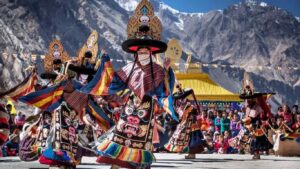
The Ladarcha Festival, held in August, celebrates the end of the farming season with prayers, dances, and traditional music. Visitors can witness masked dances and rituals performed by local monks in ancient monasteries. It’s a colorful and lively event that brings together locals and travelers.
Another important festival is Losar, the Tibetan New Year, celebrated with much enthusiasm in Spiti. This festival marks new beginnings and is filled with prayers, feasts, and cultural performances. Timing your visit to coincide with these festivals adds a special dimension to the trip.
A Cosy Place to Sleep in Spiti
It’s crucial to find a comfy spot to rest when you’re in Spiti. Home-style places to stay have a warm and welcome feel that fits with the peaceful surroundings. They mix modern luxury with old-fashioned details to make a cosy place to relax after a day of exploring.
A lot of people select these places to stay since they are quiet and close to nature. These residences will make your vacation memorable, whether you wish to see the sky from your window or have a nice dinner after a cold day. Staying here also brings you near to nature and local people, which makes your trip feel more real.
Things to Remember
Before you make plans for your vacation, keep in mind that Spiti is far away, so you should be ready for poor connectivity and minimum amenities. Even in the summer, it’s a good idea to pack warm clothes because the weather might change suddenly. It’s a good idea to bring some basic goods with you because local markets may not have everything you need.
Check ahead of time to see whether you need a travel permit. A local guide can help you understand the culture and get about securely, which can make your trip more enjoyable.