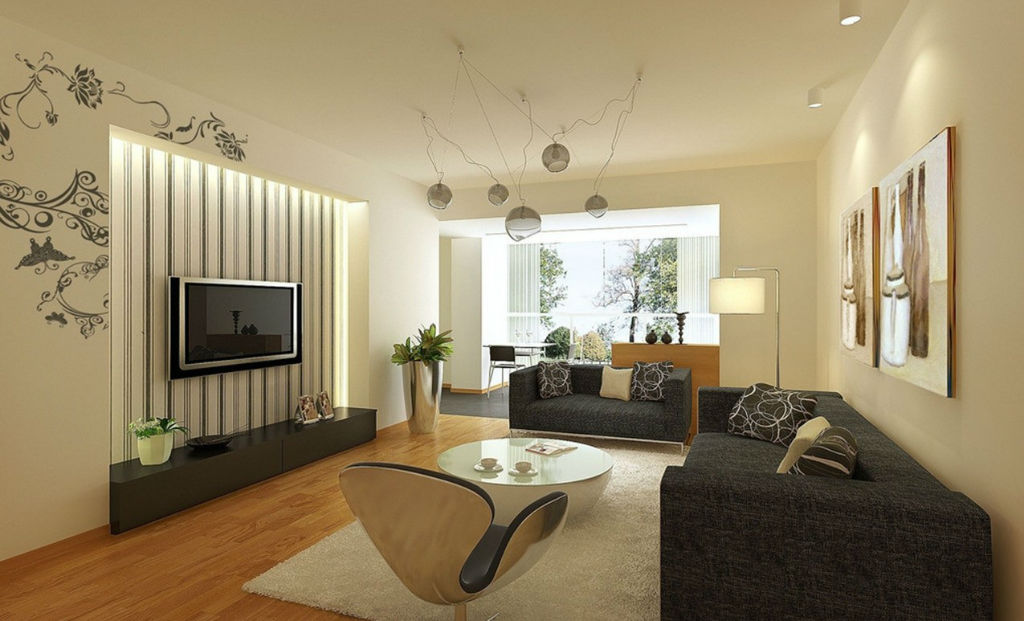
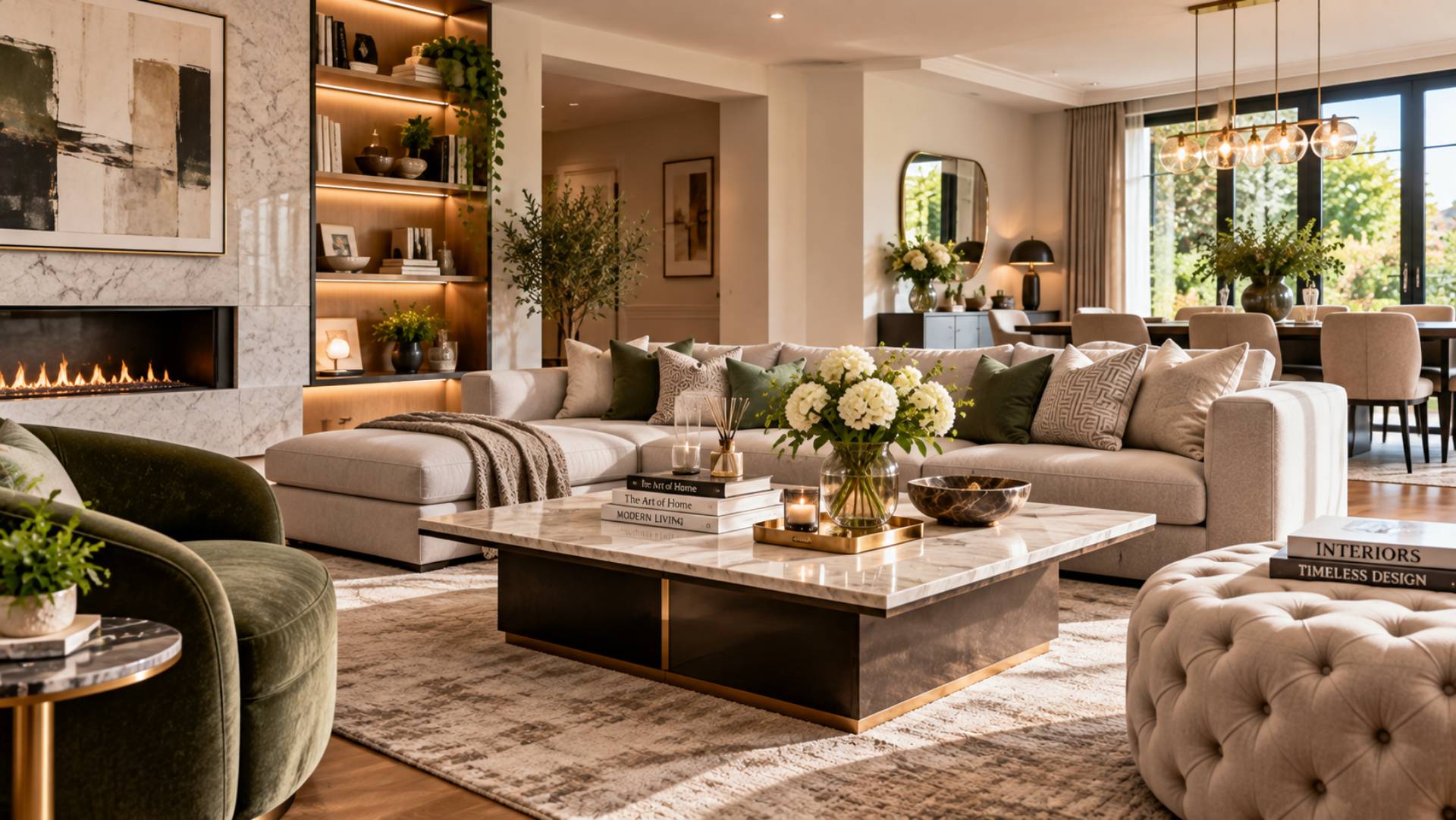
Luxury interiors are not defined by price tags alone. The most elegant homes feel considered, comfortable, and personal. Furniture plays a major role in creating that effect because it establishes the scale, mood, and character of each room.
Choosing luxury home furniture is therefore less about filling a space with expensive pieces and more about selecting items with strong materials, thoughtful proportions, lasting comfort, and a clear relationship to the rest of the interior. A well-designed room can feel refined without appearing formal or overdecorated.
Start With a Clear Interior Style
Before buying furniture, decide how you want the home to feel. Luxury can take many forms, from contemporary minimalism and modern classic design to Art Deco, traditional, or relaxed natural interiors.
A clear direction makes it easier to choose furniture that works together. Without one, individual pieces may look attractive on their own but feel disconnected once they share the same room.
Start by considering:
- The architectural style of the property
- Existing flooring and wall finishes
- Natural light levels
- Preferred colors and materials
- How each room will actually be used
The goal is not to make every room identical. Instead, create a visual connection that allows the home to feel consistent as you move from one space to another.
Invest in Timeless Statement Furniture
A luxury interior benefits from having a few important pieces that immediately establish quality and personality. A beautifully proportioned sofa, sculptural armchair, solid dining table, or distinctive bed can become the visual anchor of a room.
Choosing timeless furniture can also help an interior age gracefully. Designs with balanced proportions, quality construction, and adaptable finishes are generally easier to live with than pieces chosen solely because they follow a short-lived trend.
Statement furniture should attract attention without overwhelming everything around it. One strong focal piece is often more effective than several pieces competing for attention.
Choose Materials That Look and Feel Refined
Materials have a major influence on whether furniture feels genuinely luxurious.
Solid timber, natural stone, quality leather, linen, wool, velvet, brushed metal, and carefully finished glass can add visual depth and tactile interest. Different materials also interact with light differently, creating subtle contrasts throughout the room.
Rather than using one finish everywhere, combine complementary textures. A smooth marble table might sit beside upholstered dining chairs. A soft boucle chair can balance a darker timber cabinet. A leather sofa can feel warmer when paired with wool rugs and textured cushions.
Luxury usually comes from layering materials carefully rather than simply choosing the most decorative option.
Give the Living Room a Strong Focal Point
The living room often contains some of the largest furniture in the home, so proportion is especially important.
Begin with the main sofa and arrange secondary seating around it. Chairs do not need to match the sofa exactly. In fact, combining complementary forms can make the space feel more carefully designed.
A large coffee table, sculptural side table, console, or occasional chair can introduce another layer of personality.
Leave enough space around the furniture for comfortable movement. Crowding expensive pieces together can make even a large room feel smaller and less sophisticated.
Make the Dining Area Feel Special
The dining room is an ideal place to combine comfort with visual impact. A quality table creates the foundation, while chairs, lighting, color, and decorative details complete the setting. DwellPlus also emphasizes comfortable furniture, coordinated colors, and appropriate lighting when creating an attractive dining space.
For a luxurious look, consider a table made from solid wood, stone, marble, or another material with natural character. Upholstered dining chairs can soften harder surfaces and make longer meals more comfortable.
Scale matters here as well. There should be enough room to pull chairs back comfortably without interrupting the main walking routes through the space.
Bring Luxury Into the Bedroom
Bedroom furniture should prioritize calm and comfort.
The bed naturally becomes the main feature, so a generously sized upholstered or timber headboard can establish the entire design direction. Bedside tables, benches, wardrobes, and occasional chairs should support that focal point rather than compete with it.
Layering different textures can make the room feel richer without adding visual clutter. Upholstery, soft bedding, timber, metal details, rugs, and curtains can all contribute to a more refined atmosphere.
Avoid filling every available wall with furniture. Luxury interiors often feel spacious because they allow individual pieces room to breathe.
Mix Classic and Contemporary Pieces
Elegant interiors do not need to belong to a single design period.
Combining contemporary furniture with carefully selected classic furniture can create depth and prevent a home from feeling like a showroom. Forbes has highlighted enduring designs such as the Chesterfield sofa as examples of furniture that continues to retain its place in sophisticated interiors.
The key is balance. A traditional armchair can look striking beside a modern side table, while an antique cabinet can bring warmth to a contemporary room.
Keep some common element between contrasting pieces, such as color, scale, material, or shape, so the combination feels intentional.
Use Custom Furniture Where It Adds Real Value
Bespoke furniture can be worthwhile when a room has unusual dimensions or when a particular piece needs to perform a specific function.
Built-in cabinetry can make awkward spaces useful. A custom dining table can suit an unusually shaped room. Tailored shelving or media units can create a cleaner appearance than several unrelated freestanding pieces.
Custom furniture is most valuable when it solves a genuine design problem. Not every item needs to be bespoke for a home to feel luxurious.
Pay Attention to Furniture Scale
One of the most common interior design mistakes is choosing furniture without considering proportion.
An oversized sofa can dominate a modest living room, while very small pieces may look lost in a large open-plan space.
Measure rooms before purchasing furniture and mark out major pieces on the floor if necessary. Pay attention to ceiling height, windows, doors, fireplaces, and walking routes.
Correct scale creates visual balance. It also allows furniture to feel like part of the architecture rather than something placed into the room afterward.
Keep the Color Palette Controlled
Luxury interiors often use a restrained base palette and introduce stronger colors selectively.
Warm neutrals, creams, taupes, soft grays, browns, deep greens, navy, and muted earth tones can provide a sophisticated foundation. Richer shades can then appear through chairs, cushions, artwork, rugs, or individual statement pieces.
This does not mean luxury interiors must be neutral. Bold color can work beautifully when used deliberately.
The important point is consistency. Repeating related colors throughout a room helps different furniture styles feel connected.
Let Lighting Work With the Furniture
Furniture and lighting should be planned together.
A beautiful chair placed in a dark corner may lose much of its impact, while carefully directed lighting can emphasize texture, shape, and craftsmanship.
Combine ceiling lighting with table lamps, floor lamps, wall lights, and decorative fixtures. This creates different levels of illumination and allows the atmosphere to change throughout the day.
Position lamps where people actually need them. Practical lighting around reading chairs, desks, sofas, and bedside furniture makes an elegant interior more comfortable to use.
Avoid Overfurnishing
Luxury often becomes more noticeable when there is less competition for attention.
Too many side tables, chairs, cabinets, and decorative objects can make even expensive interiors feel cluttered. Give important furniture enough surrounding space to be appreciated.
Before adding another piece, ask whether it improves comfort, solves a practical need, or strengthens the overall design.
If it does none of these things, the room may be better without it.
Frequently Asked Questions
What makes furniture look luxurious?
Quality materials, balanced proportions, careful craftsmanship, comfortable upholstery, refined finishes, and thoughtful placement can all contribute to a luxurious appearance.
Does all luxury furniture need to be expensive?
No. A sophisticated interior depends more on quality, proportion, coordination, and thoughtful selection than on buying the most expensive pieces available.
Should luxury furniture match throughout the home?
Not exactly. Different rooms can have their own character, but repeating related colors, materials, shapes, or finishes can create visual continuity.
Is custom furniture worth buying?
Custom furniture can be valuable when standard sizes do not suit the space or when you need a particular storage, seating, or design solution.
How can I make an existing room feel more luxurious?
Start by removing unnecessary furniture, improving lighting, introducing richer textures, upgrading one important focal piece, and creating a more consistent color palette.
Conclusion
Luxury home furniture works best when beauty, comfort, quality, and practicality are considered together. A room does not need to contain numerous expensive pieces to feel elegant. Often, a smaller collection of well-chosen furniture creates a stronger impression.
Focus on timeless designs, quality materials, correct scale, layered textures, comfortable seating, and thoughtful placement. Combine classic and contemporary influences where appropriate, and allow enough open space for important pieces to stand out.
The result should feel refined but still welcoming. The most successful luxury interior is not simply impressive to look at; it is comfortable to live in and remains appealing long after current trends have passed.