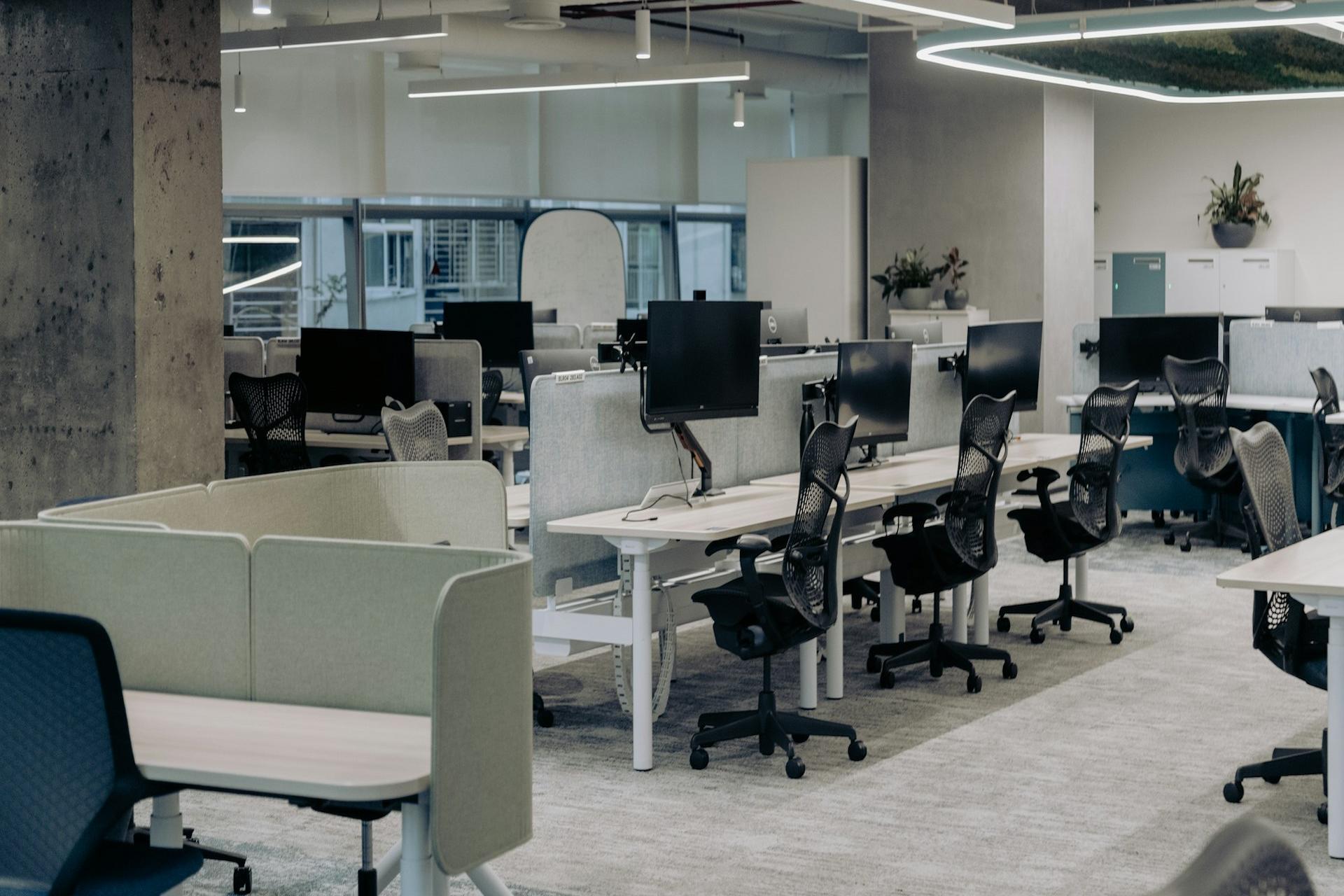

An office chair may look like just another piece of furniture, but it plays a major role in how you feel and perform every day. Whether you work from home, in a corporate office, or switch between both, sitting for long hours is unavoidable. The wrong chair can slowly lead to back pain, poor posture, and low energy. The right one, however, can support your body, improve focus, and make work feel easier.
This listicle breaks down office chair comfort into simple, practical tips. No complicated language. No confusing features. Just clear advice you can trust and apply right away.
1. Start With Proper Back Support
Your back does most of the work when you sit. Without proper support, it carries unnecessary strain for hours.
A good office chair should support the natural curve of your lower back. This helps keep your spine aligned and reduces slouching. Over time, proper back support can prevent stiffness, soreness, and long-term discomfort. Chairs without adequate back support often force your muscles to work harder just to keep you upright.
Key points to remember:
- Your back should feel supported, not pushed forward
- Avoid chairs with flat or rigid backs
- Support should feel natural and balanced
This single feature can significantly improve daily comfort in both home and work environments.
2. Seat Height Matters More Than You Think
An office chair that sits too high or too low affects your entire posture.
Your feet should rest flat on the floor, with knees roughly level with your hips. When the seat height is correct, pressure on your legs reduces, and blood flow improves. Many people experience leg fatigue simply because their chair height is wrong.
Most modern office chairs offer height adjustment, making them suitable for various desk setups and body types.
Quick facts:
- Flat feet = better balance
- Proper height reduces leg and lower back strain
- Adjustable height is a must-have feature
Getting this right sets the foundation for comfortable sitting.
3. Choose the Right Seat Depth for Daily Comfort
Seat depth is often overlooked, yet it directly affects comfort during long work hours.
If the seat is too deep, it presses against the back of your knees. If it’s too shallow, your thighs don’t get enough support. Ideally, there should be a small gap between the seat edge and the back of your knees. This allows natural movement and reduces pressure.
A well-sized seat helps distribute weight evenly, reducing fatigue and improving posture throughout the day.
Signs of good seat depth:
- Thighs feel supported
- No pressure behind the knees
- Easy to sit back comfortably
This small detail makes a big difference over time.
4. Armrests Should Relax Your Shoulders
Armrests are meant to support your arms, not strain your shoulders.
When armrests are too high, they push your shoulders upward, causing tension. When too low, your arms hang, creating strain in your neck and upper back. The right armrests allow your shoulders to stay relaxed while lightly supporting your elbows.
In shared or home workspaces, adjustable armrests are especially useful.
Best practices:
- Shoulders should stay relaxed
- Elbows should rest naturally
- Armrests should not block desk access
Comfortable arm positioning improves focus and reduces upper-body fatigue.
5. Mobility and Stability Keep You Comfortable
A good office chair should move when you do, without feeling unstable.
Smooth movement allows you to reach your desk, turn, or shift positions without strain. A stable base ensures safety and balance, especially during long work sessions. This combination supports natural movement, which helps reduce stiffness.
Chairs with easy movement also improve productivity by reducing unnecessary effort.
Look for:
- Smooth rolling wheels
- A stable, wide base
- Easy rotation
Movement isn’t a distraction—it’s support for your body.
6. Material Choice Affects All-Day Comfort
The material of your office chair plays a big role in how it feels after hours of sitting.
Breathable materials help regulate temperature, especially in warm environments or long workdays. Firm but comfortable padding prevents pressure points without feeling stiff. Cheap materials often wear out quickly and lose support.
For home offices, material choice also affects noise, durability, and maintenance.
Material tips:
- Breathable fabric improves comfort
- Avoid overly soft padding
- Choose durable, easy-to-clean surfaces
Comfort isn’t just about shape—it’s also about what you’re sitting on.
7. Home Office Chairs Need Flexibility
Home offices vary in size, layout, and purpose. Your chair should adapt to your space.
If your workspace is small, a compact and lightweight office chair works best. For long hours, focus on comfort and adjustability rather than design alone. Home office chairs should balance function with everyday practicality.
Unlike traditional offices, home workspaces often double as living areas, so versatility matters.
Helpful considerations:
- Match chair height with desk
- Choose a design that fits your space
- Prioritise comfort over appearance
A flexible chair makes working from home more sustainable.
8. Office Chairs for Shared Workspaces
In offices where multiple people use the same chairs, adjustability is key.
Shared workspaces need chairs that suit different body types and working styles. Simple controls and neutral designs work best. Durability is also important, as office chairs in shared spaces face daily use.
A well-chosen chair reduces complaints, discomfort, and fatigue across teams.
Ideal features for offices:
- Easy adjustments
- Neutral, professional design
- Strong build quality
Comfort at work supports productivity and morale.
9. Posture Habits Matter as Much as the Chair
Even the best office chair can’t fix poor sitting habits.
Good posture means sitting upright, keeping your back supported, and avoiding prolonged periods of inactivity. Regular posture checks and small adjustments throughout the day help maintain comfort.
Your chair supports you—but your habits complete the system.
Healthy sitting habits:
- Sit back fully in the chair
- Keep screens at eye level
- Take short movement breaks
Comfort is a combination of the right chair and the right behaviour.
10. Comfort Improves Productivity and Well-being
Comfort and productivity go hand in hand.
When your body feels supported, your mind stays focused. Less discomfort means fewer distractions and better work quality. Over time, a comfortable office chair supports better mood, energy, and overall well-being.
This is why choosing the right chair is an investment, not an expense.
Benefits include:
- Improved focus
- Reduced physical strain
- Better long-term health
A simple change can lead to lasting results.
Conclusion: Sit Smarter, Work Better
Office chairs don’t need to be complicated. By focusing on comfort, support, and fit, you can transform how you work every day. Whether at home or at work, the right chair supports your posture, protects your health, and boosts productivity.
Start with the basics. Make small improvements. Your body will thank you—one workday at a time.