Walk into a poorly designed office, and you’ll feel it instantly—stiff chairs, harsh lighting, constant noise, and a layout that drains energy instead of fueling it. In today’s work culture, that kind of environment doesn’t just hurt morale; it quietly erodes productivity, focus, and employee health.
As businesses rethink how and where people work, office space design has become a powerful tool rather than a background detail. The modern office must do more than house desks and computers. It needs to improve efficiency, reduce stress, and help employees feel good about coming to work every day. When done right, smart office design can improve performance, boost engagement, and create a healthier workplace culture.
The Link Between Office Design and Employee Performance
Office environments directly influence how people think, feel, and work. Research consistently shows that well-designed workspaces improve concentration, collaboration, and overall job satisfaction. Poor layouts, on the other hand, increase fatigue, distractions, and even absenteeism.
For example, cramped spaces can make employees feel overwhelmed, while excessive noise can interrupt deep focus. On the flip side, thoughtfully planned offices give people room to move, think, and breathe. When employees feel comfortable and supported by their surroundings, efficiency naturally follows.
Prioritising Natural Light and Air Quality
One of the simplest yet most overlooked elements of office design is natural light. Exposure to daylight helps regulate sleep cycles, boosts mood, and reduces eye strain. Offices that maximise windows, glass partitions, or open layouts often see employees feeling more alert and energised throughout the day.
Air quality is equally important. Poor ventilation can lead to headaches, fatigue, and reduced cognitive performance. Adding proper airflow systems, indoor plants, or air-purifying solutions can significantly improve comfort. Fresh air doesn’t just feel better—it helps people think more clearly and work more effectively.
Ergonomic Furniture: Comfort That Pays Off
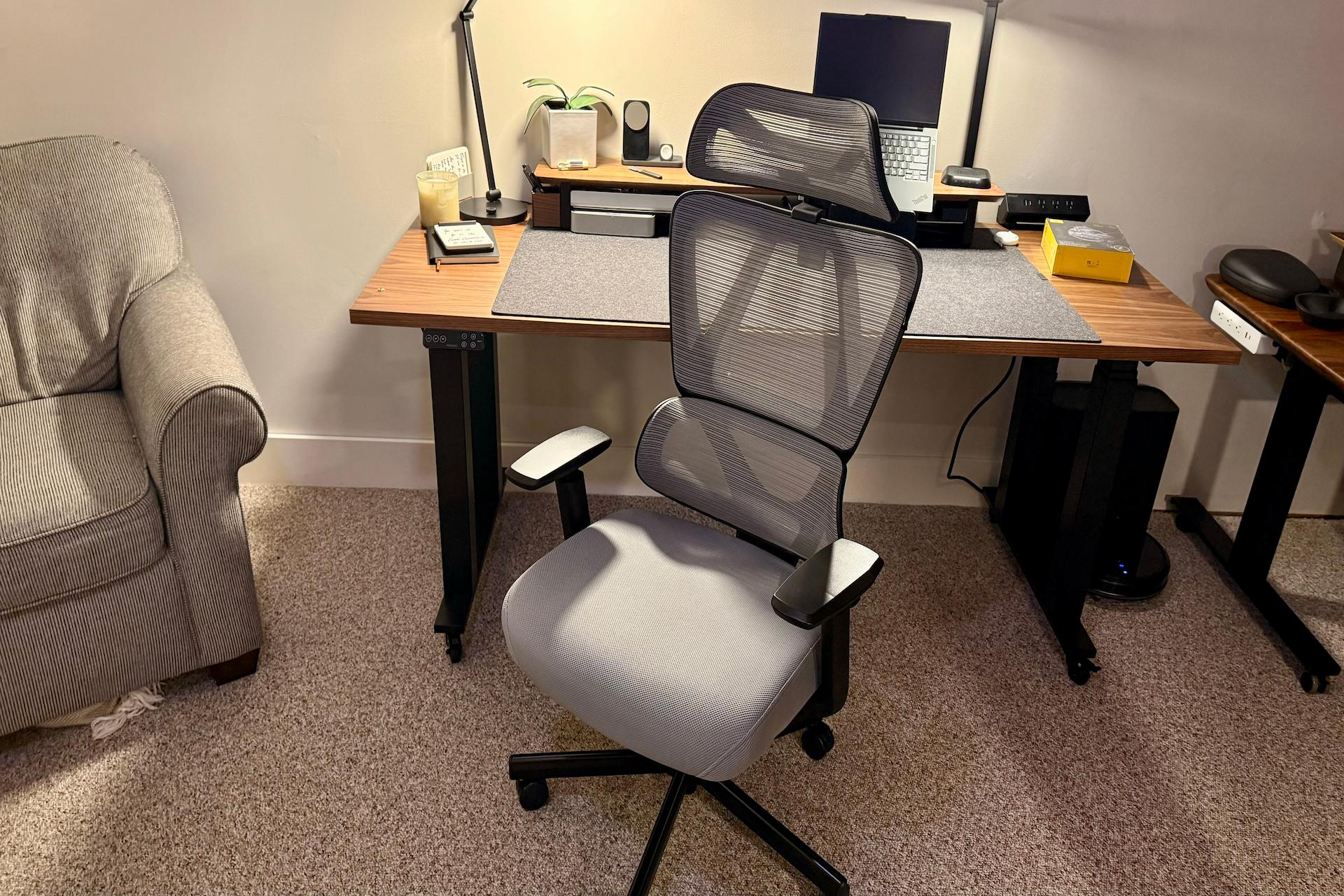
Efficiency drops fast when employees are physically uncomfortable. Ergonomic furniture is no longer a luxury; it’s a necessity. Chairs that support posture, adjustable desks, and correctly positioned screens reduce strain on the neck, back, and wrists.
When employees aren’t distracted by physical discomfort, they can focus better and work longer without fatigue. Over time, ergonomic investments also reduce workplace injuries and sick days, making them a smart long-term decision for any organisation.
Designing for Focus and Collaboration
A productive office balances quiet focus with opportunities for collaboration. Not every task requires teamwork, and not every employee works best in silence. That’s why modern office spaces often include a mix of zones.
Quiet areas or focus rooms allow employees to concentrate without interruptions, while collaborative spaces encourage brainstorming, meetings, and creative discussions. This flexibility respects different working styles and helps teams function more efficiently. The goal is choice—giving employees the freedom to work in the way that works best for them.
Using Layout and Space Planning Strategically
An efficient office layout minimises wasted movement and maximises usability. Departments that frequently collaborate should be located near each other, while high-traffic areas should not disrupt focused work zones. Clear pathways, logical desk placement, and uncluttered spaces all contribute to smoother daily operations.
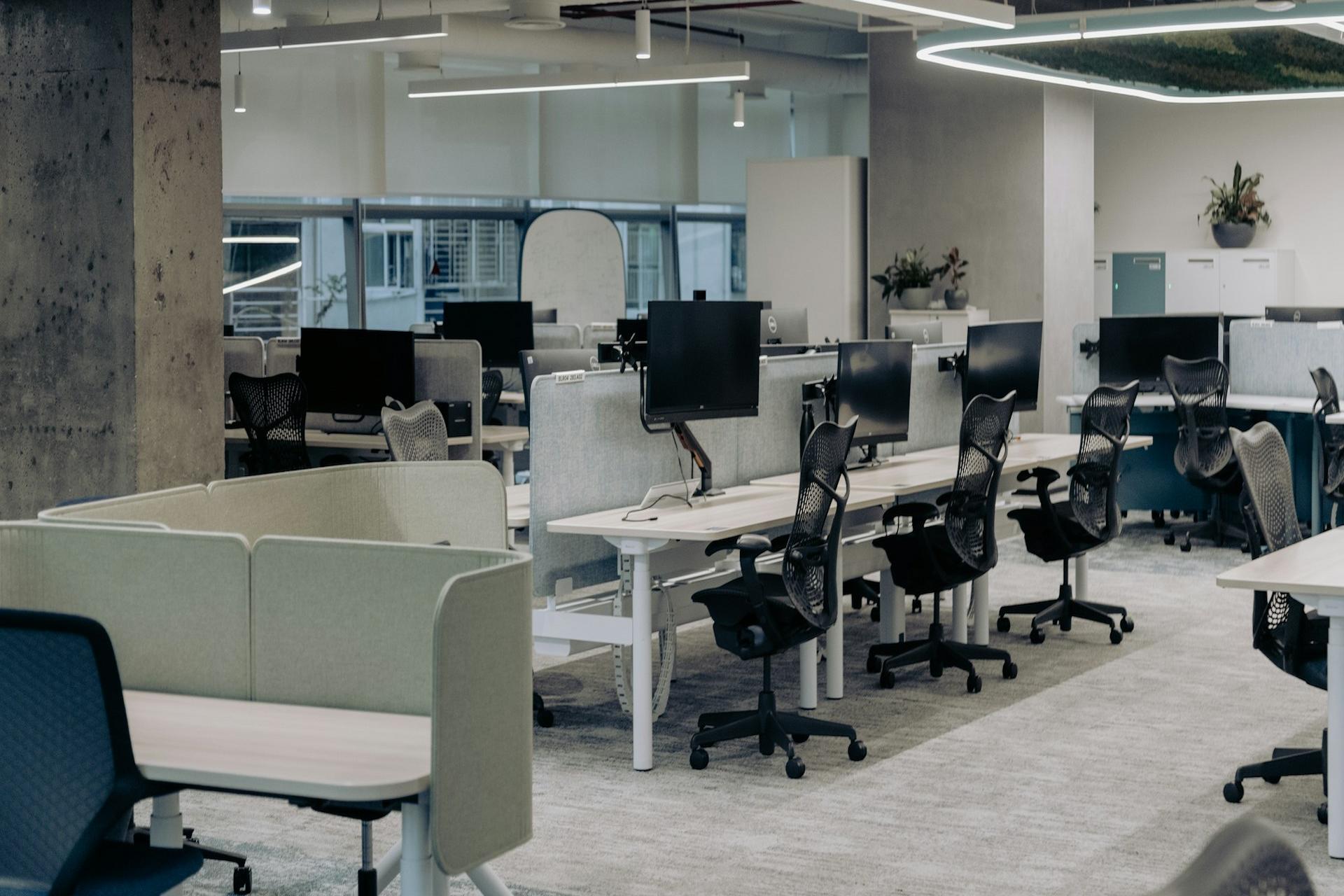
Open-plan offices can improve communication, but without careful planning, they may increase noise and distractions. Adding partitions, acoustic panels, or designated quiet zones can help maintain balance while preserving openness.
Supporting Mental Wellbeing Through Design
Employee well-being goes beyond physical comfort. Stress, burnout, and mental fatigue are major workplace challenges, and office design can help address them. Calm colour palettes, natural textures, and access to relaxing spaces can create a sense of ease during the workday.
Breakout areas, wellness rooms, or simple quiet corners give employees space to reset. Even small design choices—like artwork, plants, or soft lighting—can positively influence mood. When people feel mentally supported, they’re more engaged and motivated.
Technology That Enhances, Not Overwhelms
Technology should simplify work, not complicate it. Smart office design integrates technology seamlessly, ensuring cables are hidden, screens are positioned correctly, and meeting rooms are easy to use. Reliable connectivity, sound systems, and collaborative tools help teams work efficiently without frustration.
At the same time, reducing visual clutter and unnecessary tech can prevent overstimulation. A clean, organised digital and physical environment helps employees stay focused and productive.
Flexibility for the Modern Workforce
Work styles continue to evolve, and office spaces must evolve with them. Flexible layouts, movable furniture, and multi-purpose rooms allow offices to adapt to changing needs. Whether accommodating hybrid schedules or team growth, flexibility ensures the office remains functional in the long term.
When employees see that their workspace adapts to them—not the other way around—it builds trust and satisfaction. A flexible office is a future-ready office.
Conclusion: Designing Offices That Truly Work
Designing office spaces for efficiency and employee wellbeing is not about trends—it’s about people. When businesses prioritise comfort, functionality, and mental health, they create environments where employees can do their best work.
A well-designed office reduces stress, boosts productivity, and strengthens workplace culture. More importantly, it sends a clear message: employees matter. By investing in thoughtful office design today, organisations lay the foundation for healthier, happier, and more efficient teams tomorrow.