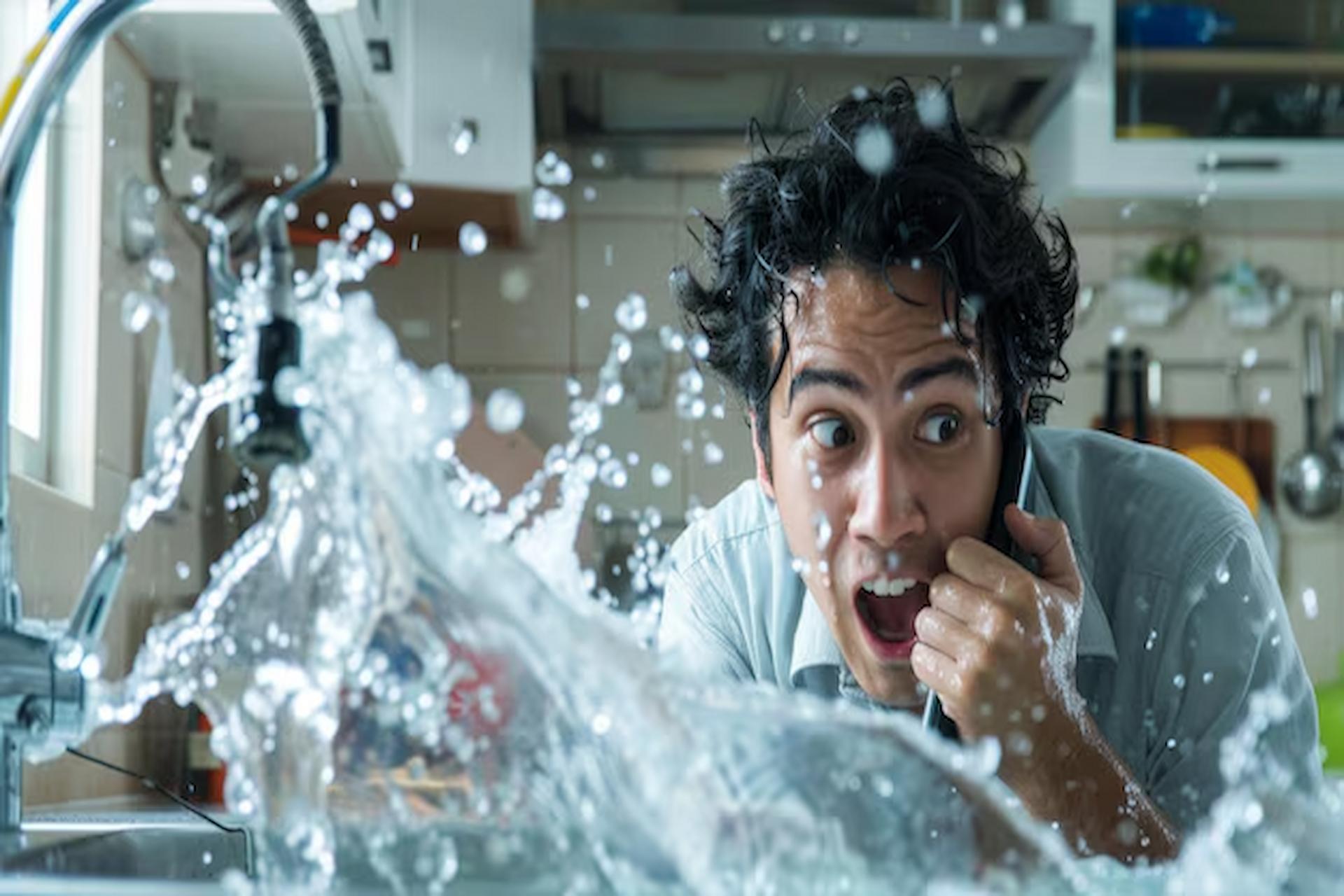
Water damage can disrupt homes and businesses within minutes. Leaks, flooding, burst pipes, or appliance failures allow water to spread quickly through building materials. Understanding how we speed up the water damage restoration process starts with recognising why time matters. Mold can begin growing within twenty-four to forty-eight hours after water exposure. The longer moisture remains, the greater the damage becomes.
Unchecked water weakens drywall, wood framing, flooring, and insulation. Electrical systems may also be affected, creating safety risks. Fast recovery limits damage, reduces repair costs, and shortens downtime. Acting early is the most important step toward successful restoration.
Stop the Source and Assess the Damage Immediately
The priority in water damage recovery is stopping the source. This may involve shutting off water valves, repairing leaks, or isolating damaged appliances. Allowing water to continue flowing only increases saturation and delays recovery. Quick action prevents further spread into walls and floors.
Once the source is controlled, a rapid assessment should follow. Taking clear photos and videos immediately helps document damage accurately. Early documentation supports insurance claims and avoids disputes later. Clear records also help professionals plan efficient recovery steps from the beginning.
Rapid Water Extraction Reduces Long-Term Damage
Water extraction is the most critical physical step in the recovery process. Standing water must be removed as quickly as possible using industrial pumps and wet vacuums. The longer materials remain submerged, the more moisture penetrates structural layers. Fast extraction limits how deeply water spreads.
Removing water early reduces swelling, warping, and structural weakening. It also significantly shortens the drying phase. Effective extraction sets the foundation for every step that follows and directly influences how long recovery takes.
Drying and Dehumidification Speed the Process
After extraction, drying and dehumidification begin immediately. This stage is where how we speed up the water damage restoration process becomes most visible. High-capacity air movers circulate air across wet surfaces, while professional dehumidifiers pull moisture from the air. Lower humidity allows materials to release trapped moisture faster.
Proper drying prevents mold growth and secondary damage. It also reduces restoration time by quickly stabilising indoor conditions. Without controlled drying, moisture lingers, prolonging repairs. This step is essential for safe and efficient recovery.
Detecting Hidden Moisture Prevents Delays
Not all water damage is visible. Moisture often hides behind walls, under flooring, or inside insulation. Professional restoration teams use moisture meters and thermal imaging tools to locate trapped water. Finding these hidden pockets early prevents future problems.
Undetected moisture leads to mold growth and repeated repairs. It can also require reopening finished areas later, extending recovery timelines. Accurate detection ensures that drying efforts reach every affected area the first time.
Cleaning and Disinfection Protect Health
Once drying is complete, cleaning and disinfection become critical. Water damage often leaves behind bacteria, debris, and contaminants. Surfaces must be cleaned thoroughly to prevent health risks. This is especially important after flooding or exposure to sewage.
Professional sanitisation removes harmful microorganisms and odours. It also ensures that restored spaces are safe for occupancy. Skipping proper cleaning can lead to rework and longer recovery periods later.
Structural Repairs Restore the Property Faster
After drying and cleaning, restoration shifts to repairs. Damaged drywall, flooring, insulation, and trim must be repaired or replaced. Skilled professionals complete these tasks efficiently, restoring structural integrity and appearance. Proper repairs allow occupants to return sooner.
Using appropriate materials and methods prevents future issues. Rushed or improper repairs often result in delays and repeated damage. Completing restoration correctly the first time speeds project completion and ensures lasting results.
Professional Restoration Services Improve Efficiency
Professional restoration services bring experience, equipment, and safety compliance to the recovery process. Trained teams understand moisture behaviour and know how to sequence steps effectively. Advanced tools allow them to dry structures faster than household equipment.
Professionals also reduce common homeowner mistakes. Improper drying, missed moisture, or unsafe electrical handling often prolong recovery. With expert oversight, recovery progresses smoothly and finishes sooner with fewer complications.
Preventive Measures Reduce Future Damage
After restoration, preventive steps help avoid repeat incidents. Regular plumbing maintenance reduces leak risks. Roof inspections and drainage improvements limit water intrusion during storms. Proper ventilation and humidity control also protect building materials in the long term.
Follow-up inspections ensure that moisture has not returned. Monitoring affected areas for several weeks adds reassurance. Prevention protects investments and reduces the likelihood of future recovery needs.
Insurance Documentation Speeds Financial Recovery
Thorough documentation plays a major role in speeding recovery. Keeping records of damage, cleanup steps, dates, and receipts supports insurance claims. Prompt submission reduces delays and disputes with insurers.
Clear communication with insurance providers helps align restoration timelines. When documentation is complete and organised, reimbursement moves faster. This financial clarity allows restoration to continue without interruption.
How HVAC and Electrical Systems Support Recovery
HVAC systems play a key role in drying and humidity control during recovery. Professional dehumidifiers often integrate with HVAC airflow strategies. Electrical safety is equally important, as water exposure can compromise wiring and equipment. Qualified technicians ensure systems are safe before restarting.
Proper coordination between restoration, HVAC, and electrical services prevents setbacks. Safe, controlled environments support faster drying and reliable repairs. This integrated approach shortens overall recovery time.
To Conclude
Speeding up water damage recovery depends on fast action, proper equipment, and professional expertise. Stopping the source, extracting water quickly, and controlling moisture are essential steps. Hidden moisture detection, thorough cleaning, and skilled repairs prevent delays. Documentation and preventive measures support smoother insurance claims and long-term protection. With the right approach and professional support, recovery becomes safer, faster, and more reliable for property owners.