Water bills sometimes rise because habits change, but unexplained use can point to water escaping from a concealed pipe, toilet or appliance. Recognising quiet warning signs, checking the meter and arranging professional investigation early can reduce waste and limit damage before the leak becomes visible or seriously disruptive at home.
A hidden leak can waste water for weeks before leaving an obvious mark. The first clue may be a rising meter reading, weaker pressure or the sound of water when every tap is closed. Booking a leak detection service can help locate the source before moisture damages walls, floors or underground pipework. Homeowners should act on unusual changes rather than waiting for visible flooding. Comparing bills, testing the meter and checking quiet areas can reveal water use that has no reasonable explanation. Early investigation protects the property, limits waste and prevents a small fault becoming a far more disruptive repair.
1. Your Water Bill Rises Without Explanation
An unusually high bill deserves attention, especially when the number of occupants and normal household routines have not changed. Compare the latest bill with earlier periods rather than judging it in isolation.
First, check whether the bill is based on an actual or estimated meter reading. Seasonal garden use, visitors and new appliances may explain higher consumption. If none of these apply, an unseen leak becomes more likely.
2. The Meter Moves When Everything Is Off
A water meter can provide one of the clearest early warnings. Turn off taps and water-using appliances, allow tanks and cisterns to finish filling, and record the meter reading.
Avoid using water for at least two hours, then check it again. If the reading increases, water may be escaping somewhere in the system.
Complete the Check Safely
- Confirm that no taps or appliances are running.
- Photograph or write down the full reading.
- Wait without using toilets, showers or appliances.
- Compare the second reading with the first.
- Contact the water company or a specialist if it has changed.
Do not lift a heavy meter cover or enter an unsafe area to take a reading.
3. Pressure Drops or Pipes Become Noisy
Lower pressure at the kitchen tap may indicate a problem with the incoming supply pipe. However, pressure can change for other reasons, so it should be treated as a warning rather than proof.
Listen for hissing, whistling, dripping or running water when the property is quiet. A concealed leak may produce sound behind a wall, beneath flooring or along an underground pipe route.
4. Damp Appears in Unexpected Places
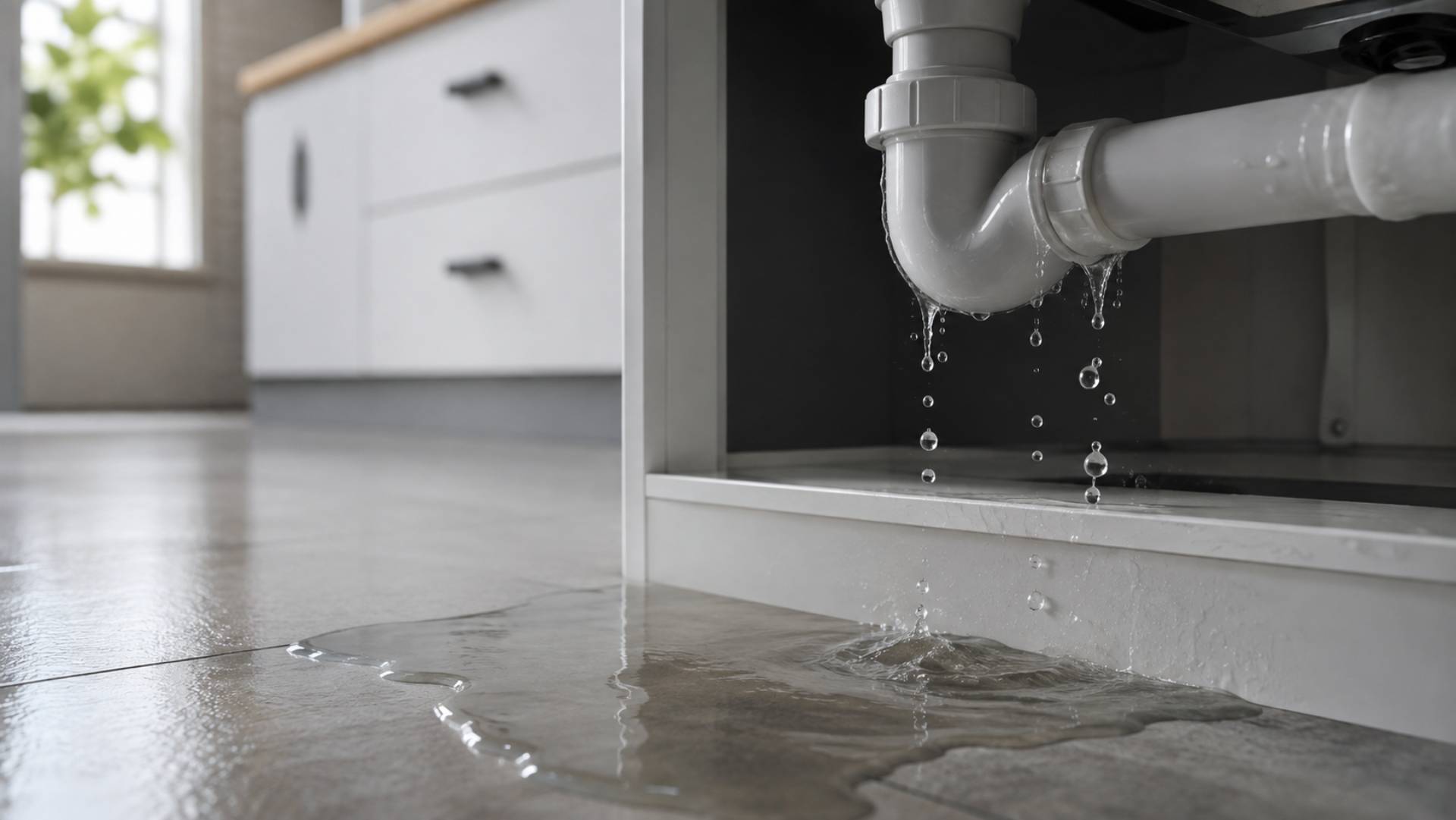
Visible flooding is not always the first sign. Escaping water can remain hidden inside a wall or beneath a floor before reaching a noticeable surface.
Warning signs include:
- Bubbling paint or lifting wallpaper
- Dark or spreading stains
- Damp carpets or flooring
- Musty smells and mould
- Pooling water without a clear source
- Unusually wet soil or garden areas
Repeatedly redecorating a damp patch will not solve the underlying problem. The source must be identified and repaired.
5. Professional Detection Limits Guesswork
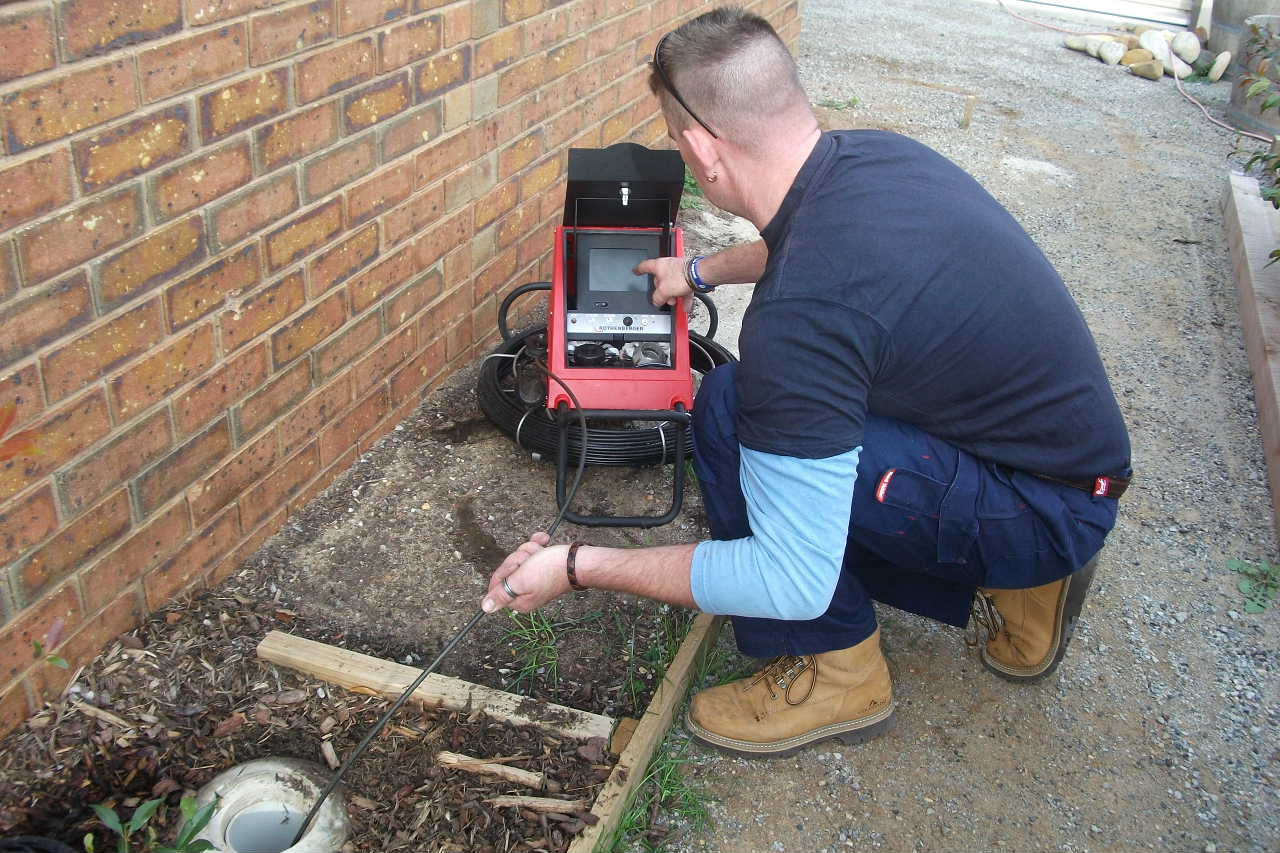
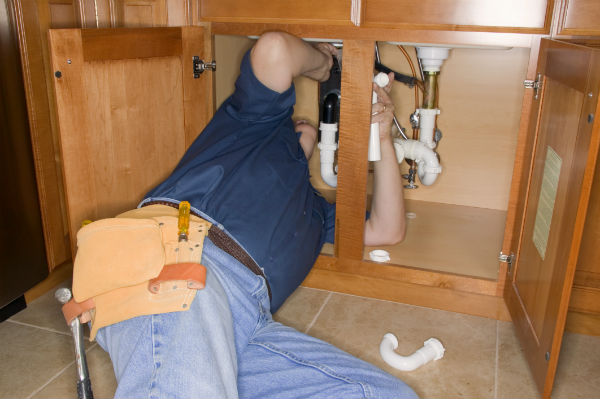
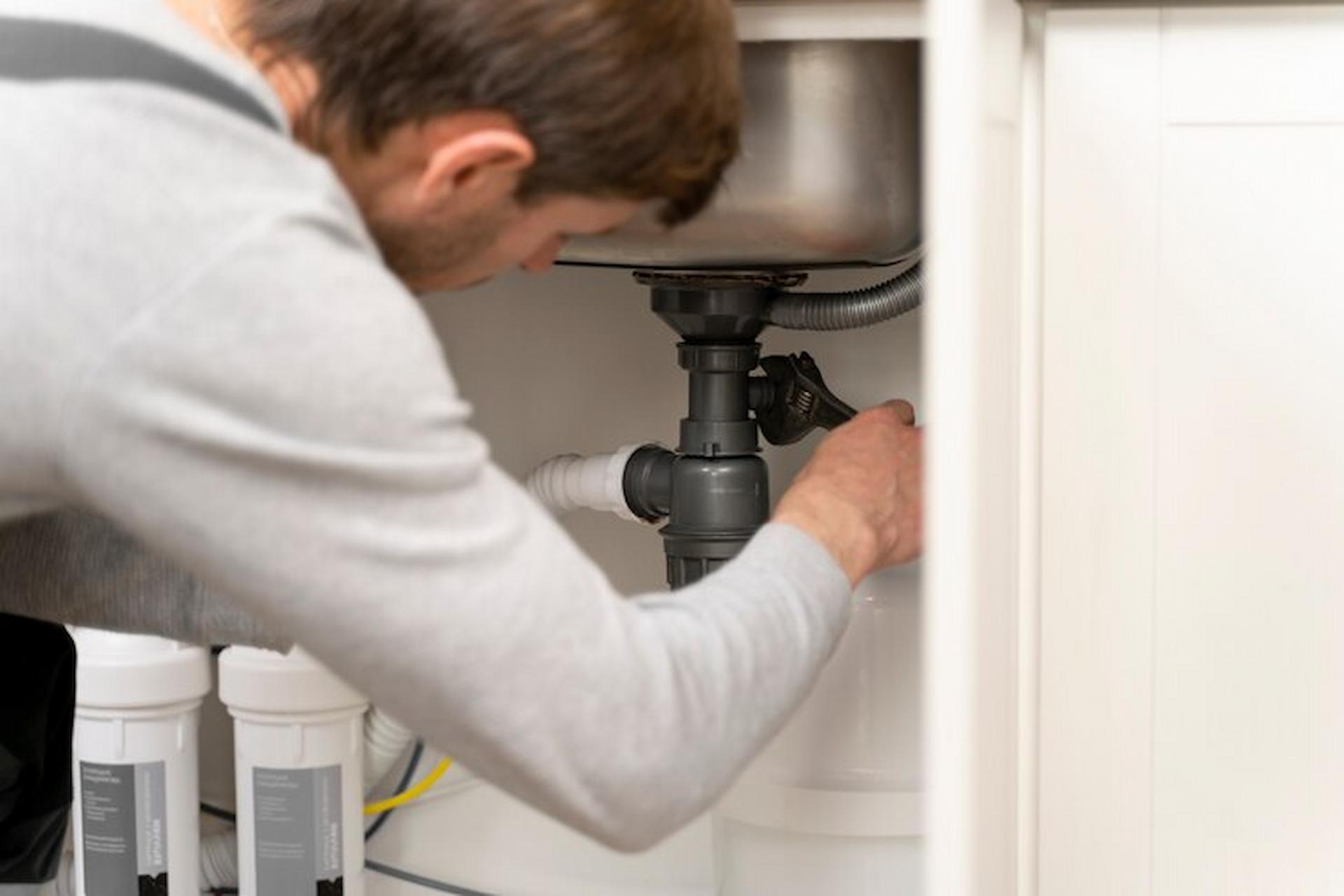
Breaking into walls or lifting floors without knowing the leak’s position can create unnecessary damage. A professional leak detection service investigates the symptoms and works to identify the source before repair decisions are made.
Specialists may examine internal plumbing, external supply pipes or underground pipework depending on the evidence. Once the fault is located, they can explain suitable repair options and the likely disruption involved.
Clear communication matters. Ask what has been found, whether further access is required and if the damaged pipe can be repaired or needs replacement.
6. Act Before Water Causes Wider Damage
Water can affect plaster, flooring, decoration and stored possessions. Outside, a leaking supply pipe may soften ground and waste substantial amounts of metered water without entering the building.
If water is actively escaping, locate the internal stop tap and turn it slowly if safe to do so. Do not force a seized valve. Contact the water company if the leak appears to involve its meter or network, and seek professional help for pipework under your responsibility.
FAQs
1. Can a Toilet Leak Without Making a Loud Noise?
Yes. Water may run quietly into the bowl or cause the cistern to refill occasionally. Check for continuous movement after flushing.
2. Does a High Bill Always Mean There Is a Leak?
No. Estimated readings, visitors, garden watering and new appliances can increase usage. A meter test helps separate normal consumption from unexplained flow.
3. Where Do Hidden Leaks Commonly Occur?
Possible locations include toilets, appliances, concealed indoor pipes and the underground supply pipe between the property and its boundary.
4. Who Repairs a Leaking Water Meter?
The water company generally owns the meter. Contact your supplier if the meter itself appears damaged or leaking.
5. Should I Open a Wall to Find the Leak?
Not without reliable evidence. Professional investigation may reduce unnecessary access work and help target the correct area.
Conclusion
A hidden water leak rarely stays harmless. Rising bills, moving meter readings, weak pressure, pipe noises and unexplained damp can all indicate that water is escaping somewhere out of sight. Checking these signs promptly is far safer than waiting for a ceiling stain, flooded floor or waterlogged garden.
Begin by confirming the bill reading and carrying out a controlled meter test. Inspect toilets, appliances, walls, floors and outdoor areas without dismantling the property. If the evidence still points to unexplained water use, seek professional help and clarify whether the fault lies within private pipework or the water company’s equipment. Fast action can reduce waste, repair costs and damage to the building. A qualified leak detection service can identify the likely source, explain the available repair options and help restore the water system with less unnecessary disruption.