When temperatures drop, your ductless heating system becomes more than just a convenience—it becomes essential. The last thing any homeowner wants is a sudden breakdown during freezing weather. Yet, cold conditions often reveal hidden issues in ductless systems, from reduced efficiency to unexpected malfunctions. Knowing how to respond quickly and effectively can make the difference between a minor fix and a costly emergency.
Why Cold Weather Affects Ductless Systems
Ductless systems, also known as mini-split heat pumps, are designed to perform efficiently even in low temperatures. However, extreme cold can put additional strain on key components such as compressors, coils, and refrigerant lines.
As temperatures fall, the system has to work harder to extract heat from the outside air. This increased workload can expose existing weaknesses, including clogged filters, frozen coils, or electrical issues. In many cases, problems that were minor during mild weather become more noticeable and disruptive in winter.
This is why timely attention to midwinter ductless system repairs is crucial. Addressing small faults early helps prevent system failure when you need heating the most.
Recognizing Early Warning Signs
One of the smartest ways to handle repairs is by identifying issues before they escalate. Ductless systems often provide clear signals when something is wrong.
Reduced airflow, inconsistent heating, or unusual noises are common indicators. You might also notice ice forming on the outdoor unit or a sudden spike in energy bills. These signs should never be ignored, especially during colder months when system reliability is critical.
A practical example is a homeowner noticing weak airflow in one room. While it may seem minor, it could point to a blocked filter or refrigerant imbalance. Left unresolved, this can lead to system shutdown during peak winter conditions.
Acting Quickly Without Causing Further Damage
Cold weather repairs require a careful approach. Attempting to fix complex issues without proper knowledge can worsen the situation.
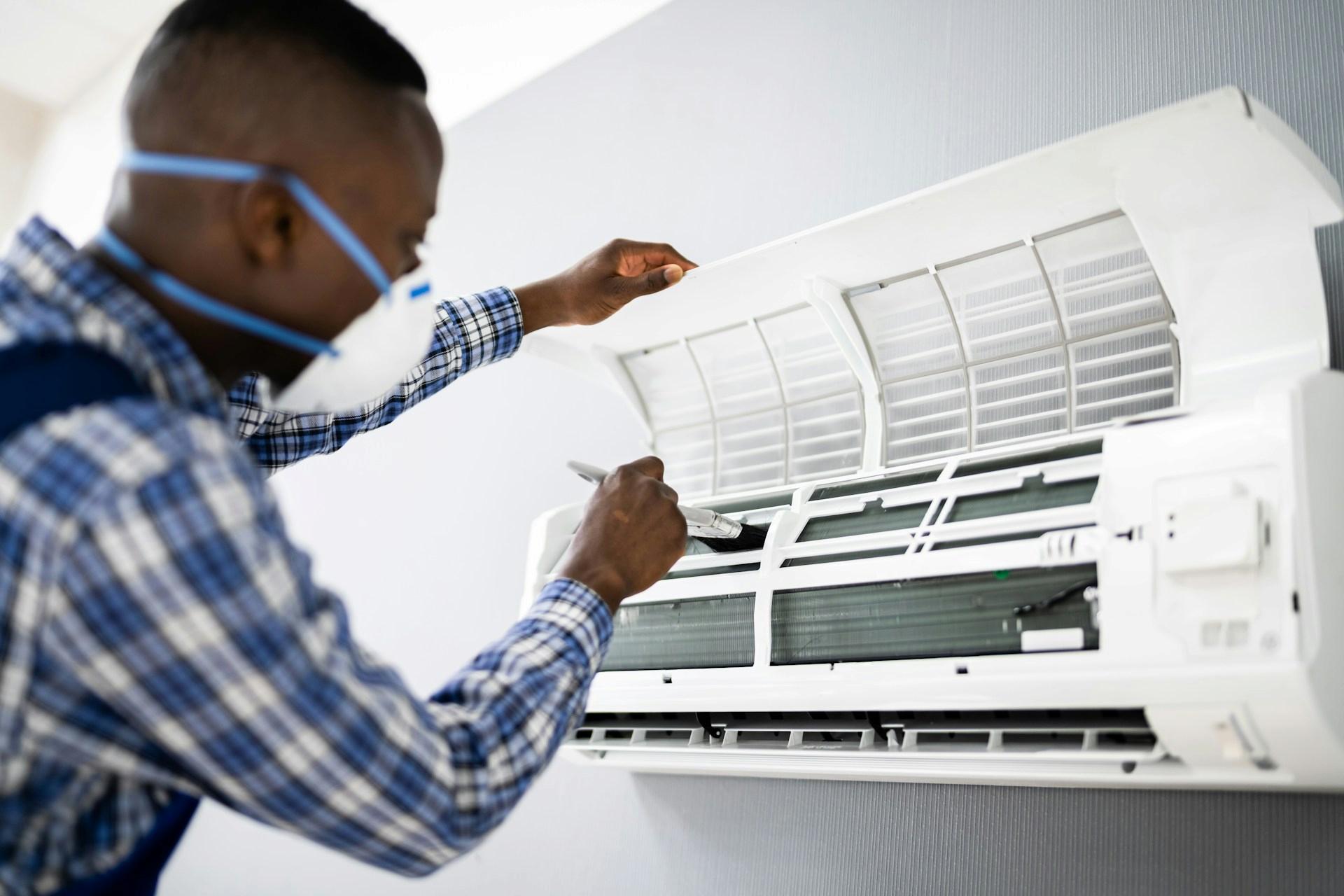
Start with basic checks such as ensuring the unit is powered correctly and the thermostat settings are accurate. Clearing debris or snow from the outdoor unit can also improve performance. However, when it comes to internal components, it is best to avoid DIY fixes.
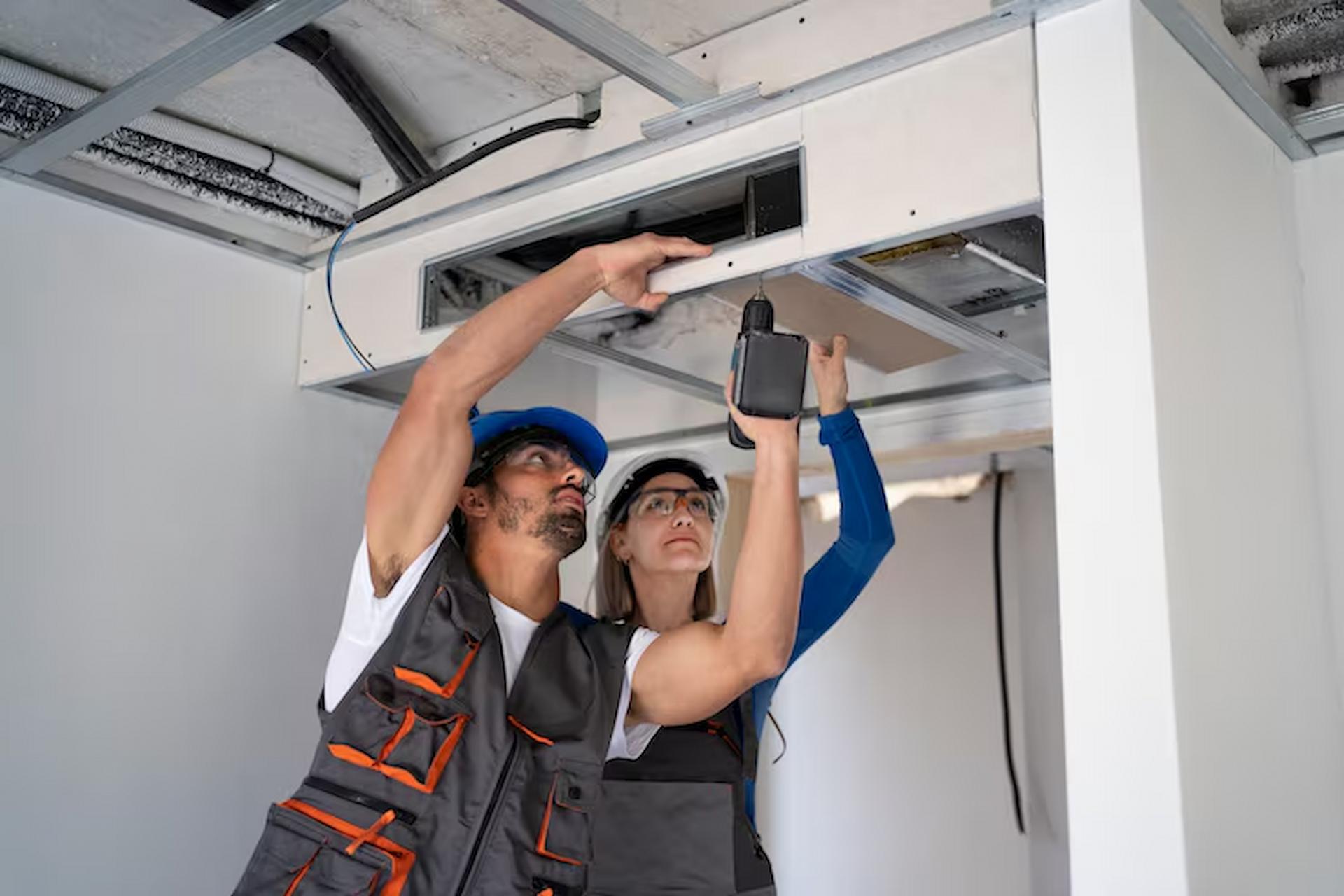
Professional technicians have the tools and expertise to diagnose issues safely. They can handle delicate components like refrigerant systems and electrical connections without risking further damage.
Preventing Ice Build-Up and Frozen Components
One of the most common winter challenges is ice accumulation. When moisture freezes on coils or outdoor units, it restricts airflow and reduces efficiency.
To minimise this risk, ensure the outdoor unit has proper clearance and is not blocked by snow or ice. Many systems have built-in defrost cycles, but these may not function properly if the system is already under stress.
In cases where freezing becomes frequent, it often signals a deeper issue. This is another situation where midwinter ductless system repairs become necessary to restore proper operation and prevent long-term damage.
Maintaining Efficiency During Repairs
Even when repairs are needed, maintaining indoor comfort should remain a priority. Temporary measures can help keep your home warm while issues are being addressed.
Using supplementary heating sources in specific areas can reduce strain on the system. Adjusting temperature settings slightly lower can also help maintain balance without overworking the unit.
It is important to note that running a malfunctioning system at full capacity can accelerate wear and lead to more expensive repairs. A balanced approach ensures both comfort and system longevity.
The Role of Regular Maintenance
Preventive maintenance plays a significant role in avoiding winter breakdowns. Systems that are serviced regularly are less likely to experience sudden failures during cold weather.
Routine checks typically include cleaning filters, inspecting electrical components, and ensuring refrigerant levels are correct. These steps not only improve efficiency but also extend the life of the system.
Homeowners who invest in maintenance before winter often find themselves better prepared to handle unexpected challenges. It reduces the likelihood of urgent midwinter ductless system repairs and ensures consistent performance throughout the season.
In Conclusion
Handling ductless system repairs during cold weather requires a combination of awareness, prompt action, and expert support. Winter conditions can quickly turn small issues into major disruptions, but recognizing early signs and responding effectively can keep your system running smoothly.
Focusing on preventive care, avoiding risky DIY fixes, and addressing problems as they arise will help maintain both comfort and efficiency. Ultimately, a proactive approach ensures your ductless system remains reliable when it matters most, allowing you to stay warm and worry-free throughout the coldest months.