As colder weather approaches, your furnace becomes one of the most important systems in your home. It works quietly in the background, keeping indoor temperatures stable and comfortable. Because it often runs without obvious issues, many homeowners overlook early warning signs until the furnace stops working on a freezing day. Recognising problems early allows you to address them before cold weather places extra strain on the system. This guide outlines the most common signs that your furnace may need attention before winter arrives.
Unusual Noises During Operation
Furnaces are not entirely silent, but they should operate with steady, familiar sounds. If you begin to hear banging, rattling, screeching, or humming that was not present before, it may indicate a mechanical issue. Loose components, worn belts, or motor problems often cause these noises and may require assessment similar to what is typically addressed during furnace repair in Lansdale, PA. Ignoring unusual sounds can lead to further damage over time.
A minor internal issue may escalate as the furnace runs more frequently during colder months, so monitoring new or worsening noises allows you to act before a breakdown.
Inconsistent Heating Throughout the Home
One of the most evident signs of furnace trouble is uneven heating. If some rooms feel warm while others remain cold, the system may not be distributing heat properly. This can result from airflow restrictions, duct issues, or a furnace that is no longer operating efficiently.
Inconsistent temperatures often cause homeowners to adjust the thermostat repeatedly, which can put extra stress on the system. When heating becomes unpredictable, it is a signal that the furnace may need evaluation before winter demand increases.
Rising Energy Bills Without a Clear Explanation
A gradual increase in heating costs can be expected as temperatures drop. However, a sudden spike in energy bills without a change in usage patterns often points to declining furnace efficiency. When internal components wear down or airflow becomes restricted, the furnace must work harder to maintain set temperatures.
Monitoring energy bills year over year can help identify anomalous patterns. If costs rise sharply despite similar weather conditions, the furnace may not be performing as expected and may require professional attention.
Frequent Cycling On and Off
A furnace that turns on and off more frequently than usual may be experiencing a problem known as short cycling. This behavior prevents the system from completing a full heating cycle, leading to uneven temperatures and increased wear.
Thermostat issues, clogged filters, or internal mechanical faults may cause short cycling. Over time, frequent cycling reduces efficiency and increases the risk of system failure during peak winter use.
Weak or Reduced Airflow
When warm air is not flowing strongly from vents, it often indicates a furnace issue. Dirty filters, blower motor issues, or duct obstructions can reduce airflow. Weak airflow forces the furnace to operate longer to heat the home, increasing strain on internal components.
Checking airflow early allows you to correct minor issues before they affect overall system performance. Proper airflow is essential for consistent heating and long-term furnace reliability.
Persistent Burning or Musty Odors
Some odors are normal when a furnace starts up after being idle, especially at the beginning of the heating season. However, persistent smells should not be ignored. A burning odor may indicate overheating components or dust buildup, while musty smells can signal moisture or mold-related issues.
Any odor that lingers or worsens during operation suggests that the furnace should be inspected. Addressing these issues early supports both system performance and indoor air quality.
Pilot Light or Ignition Problems
For furnaces that use a pilot light, the flame should burn steadily with a blue color. A flickering or yellow flame may indicate combustion issues. Modern furnaces with electronic ignition systems can also experience problems that prevent reliable startup.
Difficulty igniting or maintaining heat output often points to internal component wear. Reliable ignition is critical in cold weather, making an early inspection before winter arrives important.
Furnace Age and Performance Decline
Age alone does not determine furnace condition, but older systems are more likely to show signs of wear. Furnaces older than 15 years may experience reduced efficiency, even with regular maintenance. Components naturally degrade over time, affecting overall performance.
If your furnace struggles to maintain comfort despite routine care, age-related decline may be contributing. In such cases, professional evaluation helps determine whether repairs are needed to ensure safe operation during colder months.
Excessive Dust or Dry Air Indoors
A malfunctioning furnace can affect indoor air quality. Excessive dust accumulation, dry air, or increased allergy symptoms may be linked to poor system performance. When filters, blowers, or ducts are compromised, air circulation becomes less effective.
Changes in air quality often develop gradually, making them easy to overlook. Addressing furnace-related airflow and filtration issues helps maintain a healthier indoor environment throughout winter.
Visible Signs of Wear or Damage
A simple visual inspection can reveal potential furnace issues. Rust, cracks, loose panels, or corrosion around the unit may indicate internal problems. While homeowners should not attempt repairs themselves, visible damage should prompt further evaluation.
Early identification of physical wear allows for corrective action before cold weather increases system demand. Ignoring visible signs may lead to unexpected system failure when heating is most needed.
Delayed Heating Response
If your furnace takes longer than usual to warm the home after adjusting the thermostat, it may be losing efficiency. Delayed response can indicate sensor issues, airflow restrictions, or declining component performance.
Slow heating often worsens during colder weather when the furnace must work harder. Recognising this change early allows for assessment before winter conditions place additional strain on the system.
When to Seek Professional Evaluation
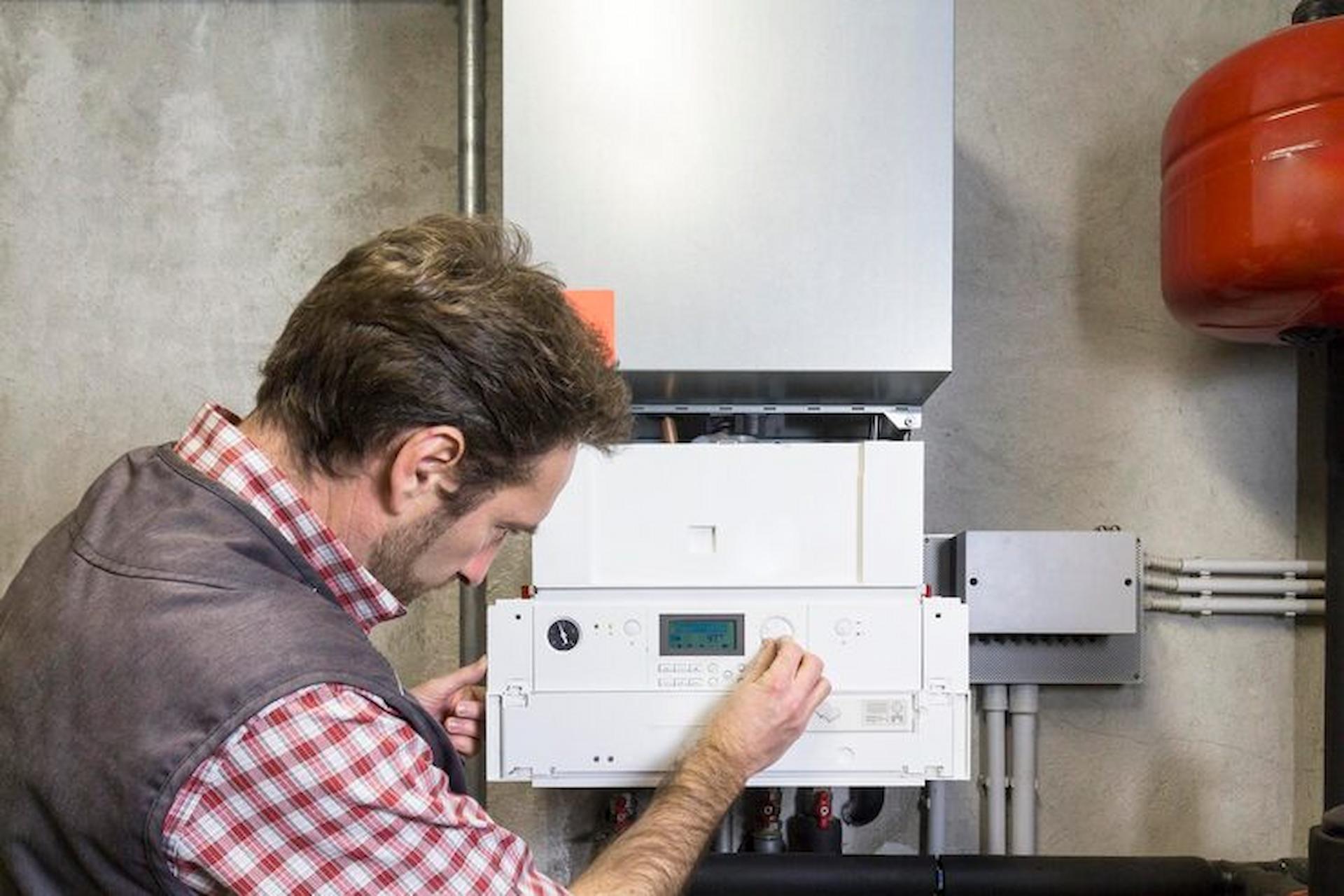
When one or more of these signs appear, timely evaluation is essential. Homeowners seeking technical assessment may consult qualified professionals experienced in furnace repair in Lansdale, PA, to identify underlying issues and restore proper operation. Early intervention helps prevent minor concerns from becoming major disruptions during winter.
Staying Ahead of Cold Weather Issues
Preparing your furnace before cold weather arrives is a practical step toward reliable winter comfort. Paying attention to performance changes, sounds, airflow, and energy use allows you to act before emergencies occur. Furnaces often provide warning signs well in advance, and responding promptly helps ensure steady heating throughout the season.
By staying observant and addressing issues early, homeowners can reduce stress, maintain comfort, and support long-term furnace reliability as temperatures begin to drop.