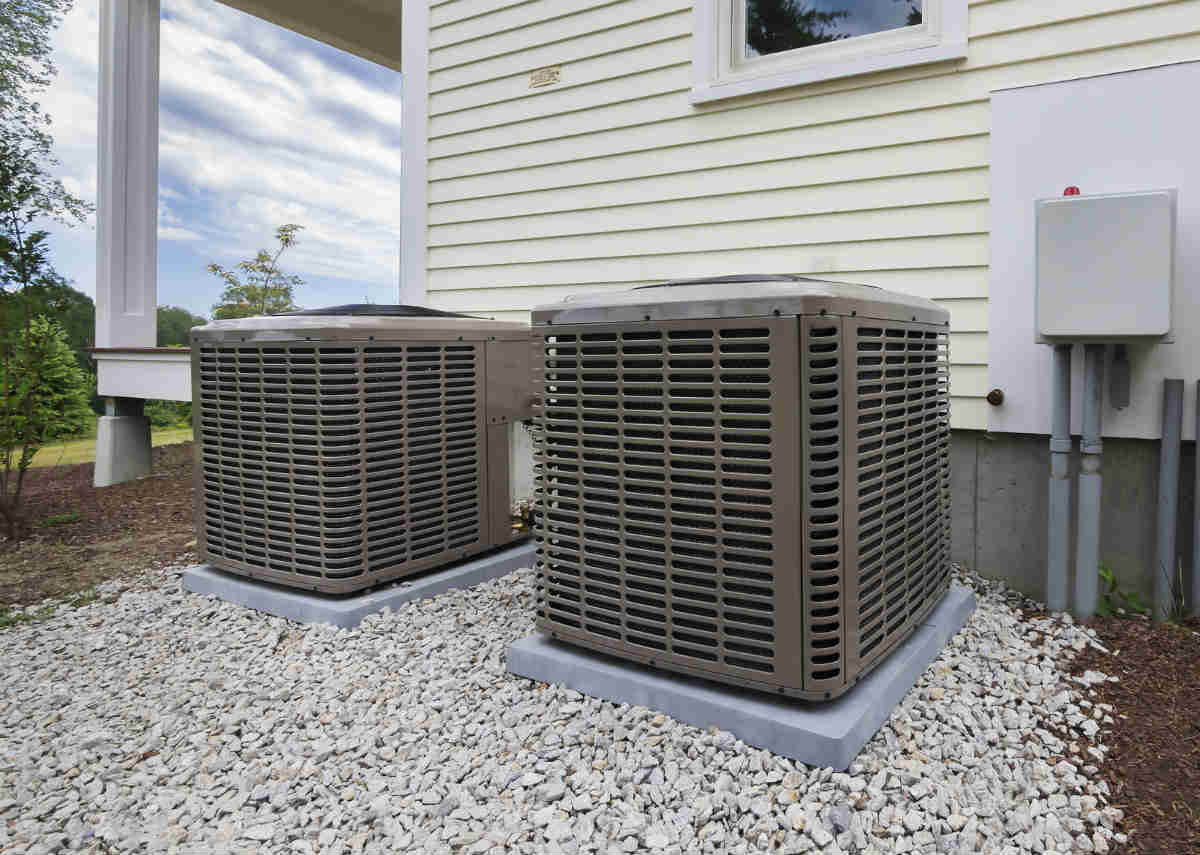

As 2026 approaches, homeowners are preparing for a significant shift in how air conditioning systems operate, largely driven by environmental regulations and technological advancements. Central to this change is the introduction of new refrigerants that aim to reduce greenhouse gas emissions and improve overall energy efficiency. Understanding these changes is crucial not only for staying compliant with regulations but also for maximising the longevity and performance of your AC system. One critical factor in this transition is the evolving new refrigerant requirements, which will impact installation, maintenance, and replacement strategies across the country.
Why Refrigerant Changes Matter
Air conditioning systems rely on refrigerants to transfer heat effectively. Traditionally, refrigerants such as R-410A have been widely used; however, these compounds carry a high global warming potential (GWP). Regulatory bodies have increasingly targeted high-GWP refrigerants, mandating shifts to more environmentally friendly alternatives. The new refrigerant requirements for 2026 are designed to curb emissions and encourage the adoption of next-generation solutions like R-32, which offer lower GWP while maintaining cooling efficiency.
For homeowners, this change means that installing a new system or retrofitting an existing one will require careful attention to compliance. Technicians will need specialised training, and systems designed for older refrigerants may not be compatible with newer, eco-friendly compounds. Awareness of these requirements can help prevent costly mistakes and ensure a smoother transition to sustainable cooling solutions.
Impact on Existing AC Systems
If your home currently uses an older air conditioning system, the 2026 refrigerant changes could have several implications:
- Retrofit Costs: Older units that rely on phased-out refrigerants may require retrofitting with new components compatible with low-GWP refrigerants. This may include replacing compressors, expansion devices, or other essential parts.
- Maintenance Adjustments: Technicians must handle the new refrigerants with care, adhering to updated safety standards. Leak detection, recovery, and recycling protocols are stricter than before.
- Efficiency Considerations: While newer refrigerants are more environmentally friendly, they often require precise installation and calibration to maintain optimal efficiency. Even minor deviations can reduce system performance.
Planning ahead for these impacts ensures homeowners are not caught off guard when regulations are enforced. Consulting a qualified HVAC professional familiar with new refrigerant requirements can help mitigate risks and maintain system reliability .
Selecting the Right AC System for 2026
Choosing an AC system under the new regulations involves more than just picking a brand or size. Here are several considerations:
- Compatibility with Low-GWP Refrigerants: Ensure the system is designed to operate with modern refrigerants such as R-32 or other approved alternatives. Compatibility affects both efficiency and environmental compliance.
- Energy Efficiency Ratings: Look for units with high Seasonal Energy Efficiency Ratios (SEER) and Energy Star certification. Efficient systems reduce energy costs and align with sustainability goals.
- Professional Installation: Proper installation is critical under the new requirements. Certified technicians must follow precise guidelines to prevent leaks, ensure correct refrigerant charge, and optimise system performance.
- Future-Proofing: Consider systems that can adapt to evolving standards. Modular designs or units with flexible refrigerant capabilities can reduce the need for costly upgrades down the line.
By evaluating these factors, homeowners can choose systems that not only comply with upcoming regulations but also offer long-term savings and reliability.
Benefits Beyond Compliance
While the primary motivation for these refrigerant changes is environmental, homeowners stand to gain multiple benefits:
- Reduced Energy Bills: Low-GWP refrigerants often work more efficiently under certain conditions, translating into lower electricity consumption.
- Enhanced System Longevity: Systems optimised for modern refrigerants tend to experience less stress on components, leading to fewer breakdowns and extended lifespan.
- Environmental Responsibility: Switching to eco-friendly refrigerants helps reduce your household’s carbon footprint, contributing to broader climate change mitigation efforts.
- Improved Indoor Air Quality: Advanced systems frequently include enhanced filtration and humidity control, creating a healthier home environment.
Understanding these advantages makes the transition more appealing and reinforces the importance of early planning and proactive system upgrades.
Preparing Your Home for the Transition
Homeowners can take several practical steps to prepare for the 2026 AC changes:
- Audit Existing Systems: Identify which units are compatible with upcoming refrigerant standards and which may require retrofitting or replacement.
- Schedule Professional Consultations: Engage certified HVAC contractors to assess your current setup, provide recommendations, and plan for seamless upgrades.
- Budget Strategically: Anticipate potential retrofit or replacement costs. Investing in a compliant system now can prevent higher expenses later.
- Stay Informed: Regulations may vary by region, so keeping abreast of local guidelines ensures compliance and avoids penalties.
- Focus on Maintenance: Regular system checks, proper refrigerant handling, and timely servicing will prolong system efficiency and reliability.
Early preparation reduces disruption and positions your home to benefit fully from the new technological standards and environmental improvements.
Looking Ahead
The shift in refrigerant requirements represents a broader trend toward sustainable home systems. As the industry moves away from high-GWP compounds, homeowners will experience more environmentally responsible, efficient, and reliable air conditioning solutions. Although these changes may involve upfront costs and adjustments, the long-term benefits—lower energy consumption, enhanced comfort, and environmental impact—are significant. Staying informed, working with qualified professionals, and proactively upgrading systems are the keys to navigating this transition successfully.
In conclusion, the 2026 refrigerant transition is more than just a regulatory change—it is a pivotal moment for homeowners to modernise their AC systems while contributing to environmental sustainability. Understanding and acting on the new refrigerant requirements ensures that your home remains comfortable, energy-efficient, and compliant with the latest standards .