Modern offices are no longer just places to sit and work—they are environments designed to inspire productivity, comfort, and collaboration. Office furniture plays a powerful role in shaping how employees feel, perform, and interact every day. From ergonomic chairs to flexible workstations, the right furniture choices can boost efficiency, support well-being, and reflect a company’s culture. This article explores how thoughtful office furniture design influences modern work environments and long-term business success.
Office furniture has evolved far beyond basic desks and chairs. In today’s fast-changing work culture, furniture supports productivity, well-being, and collaboration. Businesses now recognise that a well-designed workspace directly affects employee performance and satisfaction. As a result, office furniture has become a strategic investment rather than a simple necessity.
Modern work environments demand flexibility. Hybrid work models, open offices, and collaborative spaces require furniture that adapts easily. At the same time, comfort and health are no longer optional. Employees expect workspaces that support their physical and mental well-being. Office furniture sits at the centre of these expectations.
This article explores how office furniture shapes modern workplaces, supports employees, and helps organisations grow.
How Office Furniture Shapes Workplace Productivity
Productivity starts with the physical environment. When employees are uncomfortable, distracted, or fatigued, their performance drops. Office furniture directly influences posture, focus, and energy levels throughout the day.
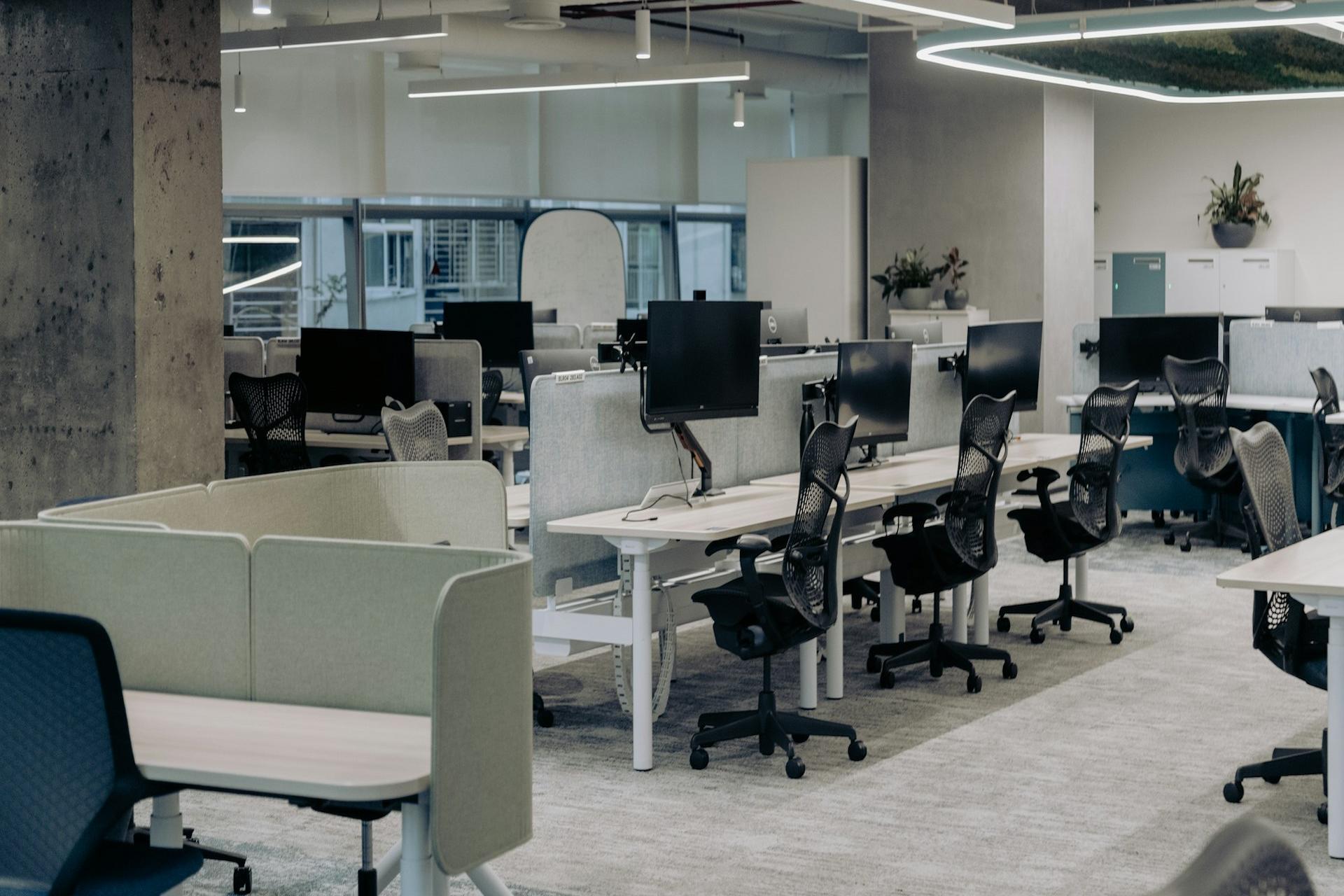
Ergonomic desks and chairs help maintain proper body alignment. This reduces back pain, neck strain, and repetitive stress injuries. When employees feel comfortable, they can focus better and work longer without discomfort. Adjustable furniture also allows individuals to customise their workspace, which increases efficiency.
Furniture layout matters as well. Clear pathways, organised storage, and functional workstations reduce clutter and save time. Employees waste less energy searching for tools or documents. Instead, they stay focused on meaningful work.
Well-chosen office furniture creates a supportive environment where productivity becomes natural, not forced.
The Impact of Ergonomics on Employee Wellbeing
Employee well-being is a top priority in modern work environments. Ergonomic office furniture plays a major role in protecting health and preventing injuries. Chairs with lumbar support, height-adjustable desks, and monitor arms help reduce physical strain.
Prolonged sitting can lead to serious health issues. Ergonomic furniture encourages movement and proper posture. Sit-stand desks allow employees to alternate between sitting and standing throughout the day. This improves circulation and reduces fatigue.
When companies invest in employee comfort, trust grows. Employees feel valued and supported. This leads to higher job satisfaction, lower absenteeism, and reduced turnover. Healthy employees are more engaged and motivated.
Office furniture, therefore, becomes a tool for long-term well-being rather than a short-term expense.
Office Furniture and Workplace Collaboration
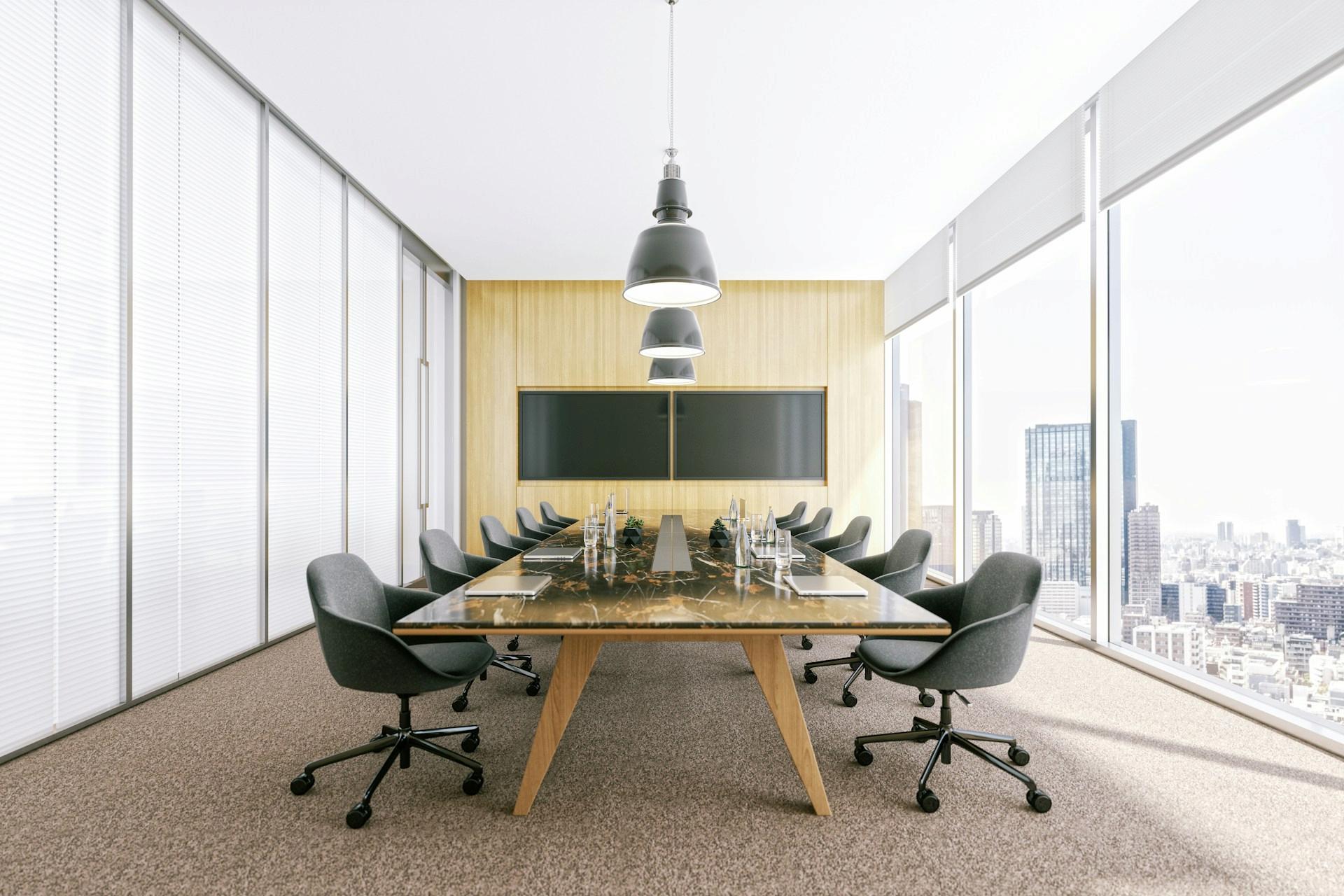
Modern offices emphasise teamwork and communication. Furniture design plays a key role in encouraging collaboration. Open seating, shared tables, and modular furniture create spaces where ideas flow easily.
Collaborative furniture supports both formal and informal meetings. Comfortable seating areas encourage brainstorming sessions. Moveable furniture enables teams to quickly reconfigure spaces based on project needs.
At the same time, balance is essential. While collaboration matters, employees also need quiet areas for focused work. Smart office furniture design creates zones for different activities without disrupting workflow.
One well-structured paragraph can clearly explain how balanced design supports daily operations, ensuring that office furniture remains central to collaboration and productivity without overwhelming the workspace.
Supporting Hybrid and Flexible Work Models
Hybrid work has changed how offices function. Employees may work remotely part of the week and in the office on selected days. Office furniture must support this flexibility.
Hot-desking systems, shared workstations, and compact storage solutions help maximise space. Furniture that is easy to move and adjust allows offices to adapt to changing attendance levels.
Technology integration is also important. Modern office furniture often includes built-in power outlets, cable management, and device support. This ensures employees can connect and work efficiently wherever they sit.
By supporting hybrid work, office furniture helps businesses remain agile and future-ready.
The Role of Design and Aesthetics in Office Furniture
Office furniture is also a visual statement. Design and aesthetics influence mood, creativity, and brand identity. A well-designed office reflects professionalism and company values.
Colors, materials, and layouts all affect how people feel. Natural tones and textures create calm environments. Bold designs can inspire creativity and energy. Clean, modern furniture sends a message of innovation and confidence.
Clients and visitors notice the office design immediately. High-quality office furniture enhances first impressions and builds trust. It shows that the organisation cares about quality and detail.
Design is not just about looks. It works together with the function to create meaningful workspaces.
Sustainability and Eco-Friendly Office Furniture
Sustainability is now a key consideration in office furniture choices. Businesses are becoming more environmentally responsible. Eco-friendly furniture supports these goals while enhancing brand reputation.
Sustainable office furniture uses recycled materials, responsibly sourced wood, and low-emission finishes. Durable designs reduce waste by lasting longer. Modular furniture also enables reuse and reconfiguration rather than replacement.
Employees appreciate working for environmentally conscious companies. Sustainable choices improve morale and align with modern values. They also contribute to healthier indoor air quality.
Choosing sustainable office furniture benefits both the planet and the workplace.
Office Furniture as a Strategic Business Investment
Office furniture is not just an operational cost. It is a strategic investment that impacts performance, culture, and growth. High-quality furniture supports employees and reduces long-term expenses related to health issues and replacements.
When businesses plan furniture choices carefully, they create scalable environments. Offices can grow and change without major disruptions. This flexibility saves time and money.
Furniture decisions should align with business goals. Whether the focus is collaboration, focus, or innovation, office furniture should support that vision. Strategic planning ensures consistency and long-term value.
Smart investments in office furniture strengthen the foundation of modern work environments.
Choosing the Right Office Furniture for Modern Needs
Selecting the right office furniture requires understanding employee needs and work patterns. There is no one-size-fits-all solution. Each organisation must evaluate its culture, space, and objectives.
Employee feedback is valuable. Involving staff in furniture decisions increases satisfaction and adoption. Testing ergonomic options helps identify what works best.
Quality should always come before cost. Durable, well-designed furniture performs better over time. It also reflects commitment to employee wellbeing and operational excellence.
The right office furniture supports people, processes, and progress.
Conclusion: The Future of Office Furniture
The role of office furniture in modern work environments continues to expand. Furniture now supports health, collaboration, flexibility, and sustainability. It shapes how employees work and how businesses succeed.
As work environments evolve, office furniture must evolve too. Smart, ergonomic, and adaptable designs will define future workplaces. Companies that invest thoughtfully will see stronger performance and happier teams.
Office furniture is no longer just about filling space. It is about creating environments where people thrive, and businesses grow.