
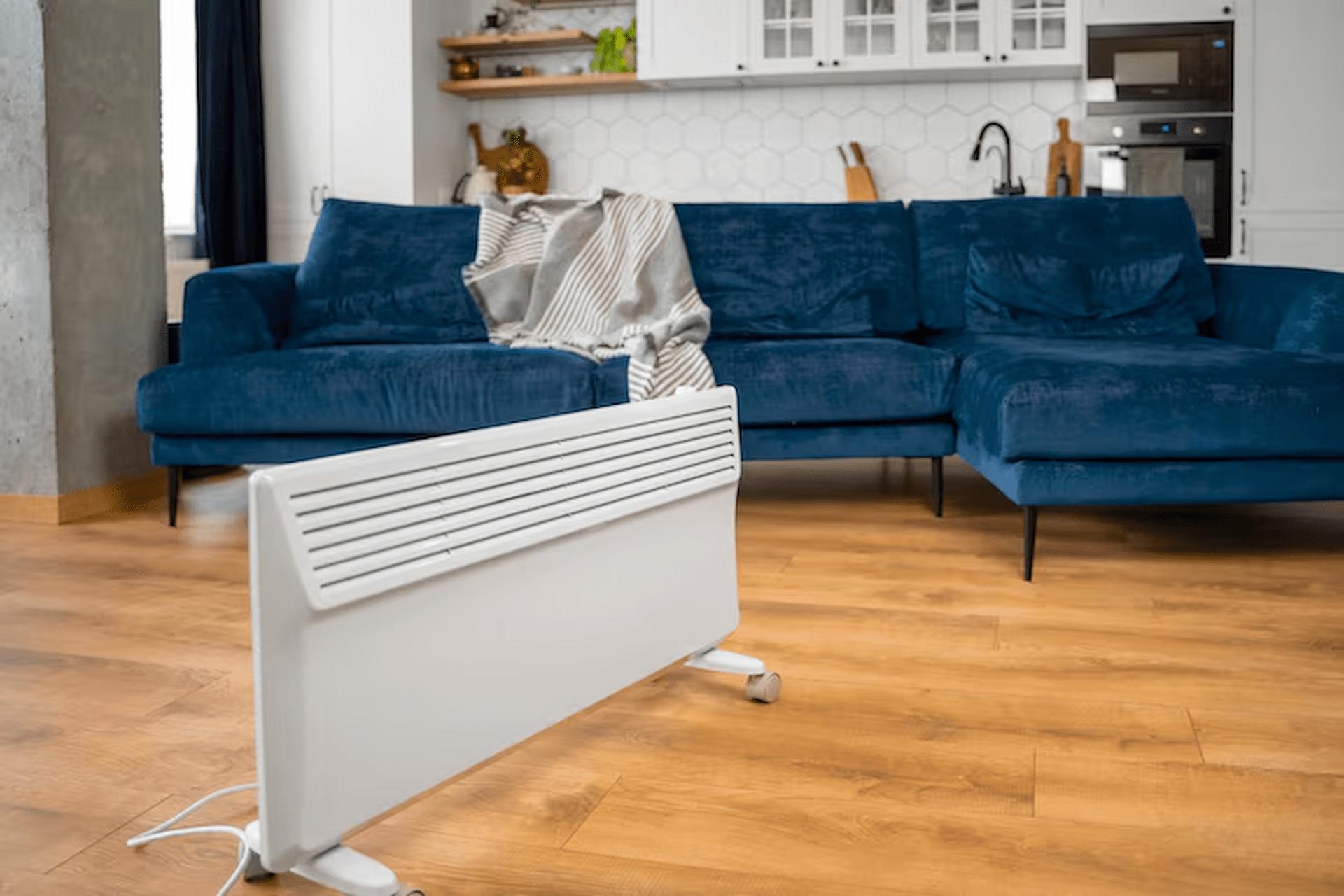
A well-heated home is about more than simply installing a central heating system. The size of your radiator plays a major role in determining how efficiently a room warms up, how comfortable it feels during colder months, and how much energy your household consumes. Choosing a radiator that is too small can leave a room feeling chilly, while an oversized unit may lead to wasted energy and unnecessary expense. Understanding how to select the correct radiator size for each room helps improve comfort, support energy efficiency, and ensure your heating system performs at its best throughout the year.
Many homeowners focus on style, colour, or placement when purchasing Radiators, but size should always be a primary consideration. Every room has unique heating requirements based on its dimensions, insulation levels, window size, and intended use. By calculating heat demand accurately, you can select a radiator that provides the right amount of warmth without overworking your boiler or increasing energy costs.
Why Radiator Sizing Matters
The correct radiator size ensures a room reaches and maintains a comfortable temperature efficiently.
Comfort and Consistency
A properly sized radiator distributes heat evenly throughout the room. This helps eliminate cold spots and creates a more pleasant indoor environment.
Energy Efficiency
When a radiator matches the room’s heating requirements, the heating system works more effectively. This can help reduce fuel consumption and support lower energy bills.
Longer Heating System Life
An appropriately sized heating solution places less strain on the boiler and other components, potentially extending the lifespan of the entire system.
Understanding BTU Requirements
Before choosing a radiator, it is important to understand BTU, or British Thermal Unit. This measurement indicates the amount of heat required to raise the temperature of a room.
Several online BTU calculators are available, but the calculation generally considers:
- Room length, width, and height
- Number and size of windows
- Insulation quality
- Property age
- Desired room temperature
- External walls
The resulting BTU requirement helps determine the radiator output needed for effective heating.
Measuring Your Room Correctly
Accurate measurements are essential when selecting the right radiator size.
Key Measurements to Take
Begin by measuring:
- Room length
- Room width
- Ceiling height
- Window dimensions
- Number of external walls
Larger rooms naturally require higher heat output than smaller spaces. Rooms with high ceilings or large windows often need additional heating capacity due to greater heat loss.
By carefully assessing these factors, homeowners can choose Radiators that provide sufficient warmth without excessive energy consumption.
Room-by-Room Radiator Sizing Guide
Different rooms have different heating needs depending on how they are used.
Living Room
Living rooms are often among the largest areas in a home and tend to have significant heat demands. Multiple radiators or larger models may be necessary, particularly in open-plan layouts.
Bedroom
Bedrooms typically require moderate heating. The aim is to maintain a comfortable sleeping environment without excessive warmth.
Kitchen
Appliances such as ovens, hobs, and dishwashers generate heat, which may reduce the required radiator output. However, larger kitchens with dining areas may still need substantial heating.
Bathroom
Bathrooms often require warmer temperatures than other rooms. Heated towel rails can supplement standard heating but should not always be relied upon as the sole heat source.
Home Office
As more people work remotely, maintaining a comfortable office temperature has become increasingly important. Correct sizing supports productivity and comfort throughout the day.
Factors That Affect Heat Loss
Heat loss influences how much output a radiator must provide.
Insulation Quality
Modern insulation helps retain heat, reducing the need for larger radiators.
Window Efficiency
Double and triple glazing minimise heat loss compared to older single-glazed windows.
Property Age
Older homes often have lower thermal efficiency and may require higher BTU outputs to achieve the same comfort levels.
Ceiling Height
Rooms with tall ceilings contain a larger volume of air, increasing heating requirements.
Common Radiator Types and Their Output
Different radiator styles offer varying heat outputs despite having similar dimensions.
Compact Panel Radiators
These are among the most common options in UK homes and provide reliable heat output for most rooms.
Double Panel Radiators
Featuring additional panels and fins, these models offer higher output without requiring significantly more wall space.
Vertical Radiators
A popular choice where wall space is limited. Many modern designs combine practicality with contemporary aesthetics.
Column Radiators
Known for their traditional appearance, column radiators often provide excellent heat output and suit both classic and modern interiors.
Signs Your Radiator May Be the Wrong Size
Several indicators suggest a radiator is not correctly matched to a room.
Watch for These Warning Signs
- Rooms take a long time to warm up
- Persistent cold spots remain
- Heating runs continuously
- Energy bills appear unusually high
- Rooms become excessively hot very quickly
- Occupants frequently adjust thermostat settings
Addressing these issues can improve both comfort and efficiency.
Practical Tips Before Buying
Selecting the correct radiator involves more than simply choosing the largest model available.
Helpful Buying Considerations
- Calculate BTU requirements accurately
- Consider future insulation improvements
- Account for furniture placement
- Check wall space availability
- Compare radiator output ratings
- Seek professional advice for unusual room layouts
A little planning can prevent costly mistakes and improve long-term satisfaction.
Warmth That Fits
Choosing the right radiator size is one of the most effective ways to improve home comfort and heating efficiency. Accurate room measurements, proper BTU calculations, and consideration of heat loss factors all contribute to better performance. Every room has unique requirements, and selecting a suitable radiator ensures warmth is distributed effectively without unnecessary energy use. By taking a thoughtful approach and understanding the fundamentals of radiator sizing, homeowners can create a comfortable living environment that remains efficient, reliable, and cost-effective throughout every season.