Creating a comfortable home environment starts with dependable cooling that performs efficiently when temperatures rise. Modern homeowners want more than cold air. They want energy savings, cleaner indoor air, consistent airflow, and systems that work without constant problems. Smart cooling solutions combine technology, preventative care, and thoughtful planning to deliver better comfort while reducing operational costs and long-term HVAC concerns.
Choosing professional AC installation is one of the most important steps in building a reliable cooling system. Proper installation affects airflow, energy efficiency, equipment lifespan, and monthly utility bills. A poorly installed system can lead to uneven temperatures, higher repair costs, and wasted energy. Working with experienced HVAC professionals helps ensure your cooling system performs effectively from day one.
Why Smart Cooling Starts With the Right System
Not every home requires the same cooling solution, which is why selecting the right air conditioning system matters. Factors like square footage, insulation, climate, and household usage all influence what type of system will perform best. Central air systems, ductless mini-splits, and heat pumps each offer different advantages depending on your home’s structure.
Key Factors That Influence System Selection
An oversized unit may short cycle and waste energy, while an undersized unit may struggle to cool effectively. Professional load calculations help determine proper system size, ensuring balanced temperatures and improved home comfort. Choosing the correct system from the start supports long-term efficiency and fewer maintenance issues.
Energy Efficiency Is Essential for Modern Comfort
Today’s cooling systems are built with advanced energy-saving features that help homeowners lower electricity costs while maintaining comfort. High SEER ratings, smart thermostats, and variable-speed compressors can all contribute to improved performance.
Investing in efficient AC installation gives homeowners access to better temperature control and reduced strain on HVAC components. While higher-efficiency systems may involve greater upfront costs, they often provide long-term savings through reduced utility bills and fewer breakdowns.
Energy-Saving Features Worth Considering
- Smart thermostat integration
- Variable-speed air handlers
- Zoned cooling systems
- High-efficiency air filters
- Programmable scheduling
- Duct sealing improvements
These features support both cost savings and indoor comfort.
Indoor Air Quality and Cooling Performance Go Together
Cooling systems do more than regulate temperature. They also influence indoor air quality, humidity control, and airflow consistency. A modern AC system should help maintain a healthier indoor environment while keeping temperatures comfortable.
Air Quality Benefits of Smart Cooling
Advanced filtration systems can reduce dust, allergens, and airborne particles, while humidity management helps prevent mold growth and excess moisture. Homes with balanced humidity and cleaner airflow often feel more comfortable even at slightly higher thermostat settings, which can further reduce energy use.
Preventative HVAC Maintenance Protects Your Investment
Even the best cooling system requires regular care to maintain performance. Preventive maintenance is one of the smartest ways to avoid emergency repairs and preserve energy efficiency.
Essential Cooling Maintenance Tips
Routine inspections can identify refrigerant issues, airflow restrictions, dirty coils, or thermostat problems before they become expensive repairs.
Smart Maintenance Habits Include:
- Replacing air filters every 1–3 months
- Cleaning vents and registers
- Scheduling seasonal tune-ups
- Keeping outdoor units clear of debris
- Monitoring thermostat accuracy
- Checking for unusual noises
Regular HVAC maintenance supports reliable performance and longer system life.
Smart Home Technology Makes Cooling Easier
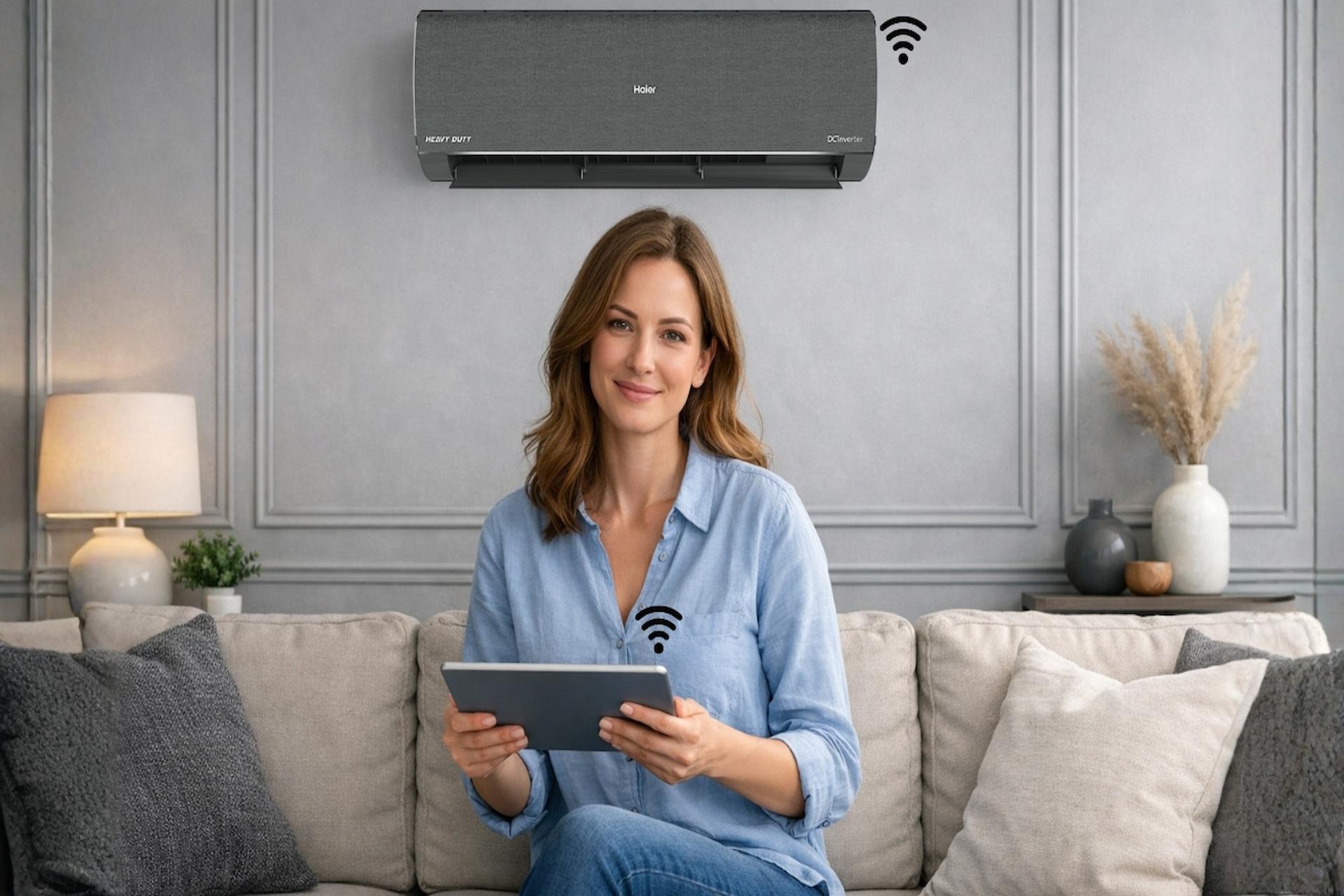
Modern cooling systems now integrate with home automation tools, making comfort management more convenient than ever. Smart thermostats allow homeowners to control temperatures remotely, create schedules, and monitor energy use.
Benefits of Smart Cooling Technology
These systems can automatically adjust cooling patterns based on occupancy, outdoor weather, or daily habits. This level of control helps reduce wasted energy while improving overall convenience. Smart upgrades can also provide maintenance alerts, helping homeowners address issues quickly.
Ductwork and Insulation Should Not Be Overlooked
Even the most advanced AC unit can underperform if your home loses cool air through poor insulation or leaking ducts. Efficient cooling depends on the entire HVAC system working together.
Whole-Home Efficiency Strategies
- Seal duct leaks
- Upgrade attic insulation
- Install weather stripping
- Use ceiling fans for airflow support
- Close blinds during peak sunlight
- Schedule duct inspections
These steps help maximize cooling performance and reduce unnecessary strain on your system.
Choosing Professional Installation Matters
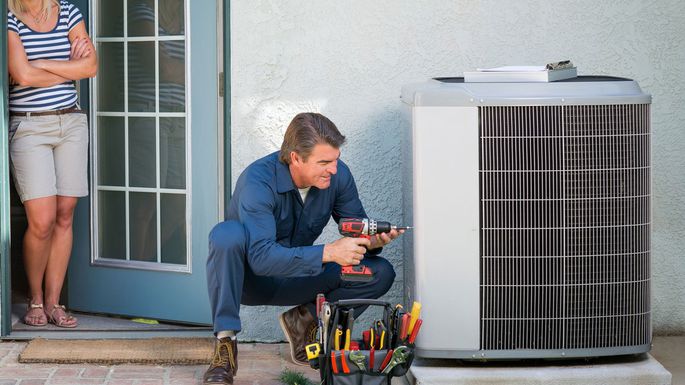
The quality of installation often determines whether your cooling system performs efficiently for years or struggles from the beginning. Professional HVAC technicians ensure proper refrigerant charging, airflow setup, thermostat calibration, and safety testing.
Benefits of Expert Installation
Licensed professionals can also evaluate your home’s overall energy profile, helping you make smarter decisions about equipment and upgrades. Proper installation protects warranties, improves efficiency, and supports consistent comfort.
Long-Term Savings Through Better Cooling Decisions
Smart cooling solutions are not just about immediate comfort. They are also about reducing long-term expenses. Efficient equipment, routine maintenance, and home energy improvements can lower repair costs and monthly bills while increasing property value.
Financial Benefits May Include:
- Lower electricity bills
- Fewer emergency repairs
- Extended HVAC lifespan
- Better resale value
- Improved comfort consistency
- Reduced environmental impact
Making informed cooling choices today can create years of reliable comfort.
Conclusion
Smart cooling solutions combine proper system selection, professional installation, energy efficiency, and preventative HVAC maintenance to create dependable home comfort. From choosing the right AC system to improving air quality, insulation, and smart technology integration, every decision impacts long-term performance. Homeowners who prioritize efficient cooling strategies can enjoy lower utility bills, healthier indoor environments, and fewer unexpected repairs. By investing in thoughtful planning and expert support, hassle-free home comfort becomes both achievable and sustainable for years to come.